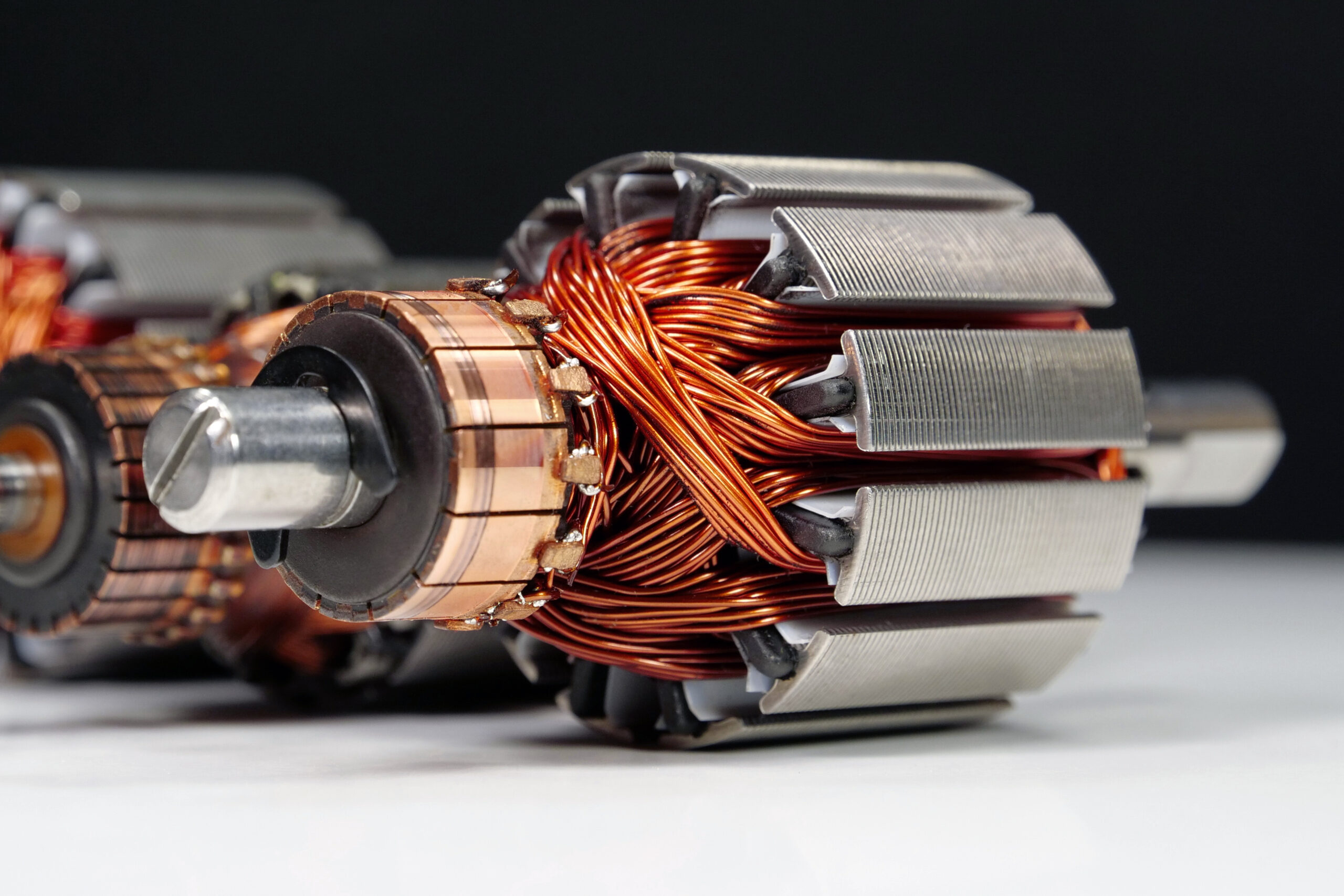
Electrification
Electrification
Electrification has seen rapid growth over the last decade. This has primarily been driven by the worldwide goal to reduce global carbon emissions.
Previously, machinery and power generation were focused on combustible methods, but they are now shifting towards a more electrified approach. Industries such as power generation, automotive, aerospace, maritime, rail, defence and more, are all adopting electrified solutions in aid of a more sustainable world.
Brandauer has been at the forefront of these developments, and has always been taking on new and exciting projects with industry leaders that are changing the way the world operates.
For us at Brandauer, the heart of electrification is within its electrical steel lamination capabilities. Manufacturing laminations fell into our capability scope after there was a growing demand for more efficient electric motors; each lamination grew thinner, and tolerances became tighter, which allowed the company to become very competitive in a specialist marketplace.
Motor laminations for a future (power) generation
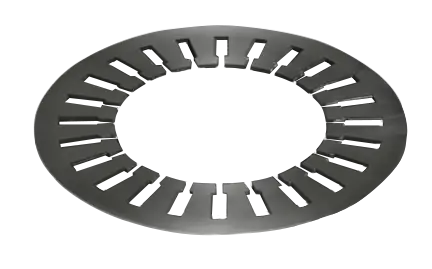
Brandauer has supplied a wide range of electrical steel laminations to varying industries. Examples of this range from minuscule, 0.1mm thick laminations stacked six high that go into reconnaissance drones, to large-diameter (up to 200mm) electric motors that power maritime and hydro-electric generators. Brandauer can stamp or laser-cut laminations from 0.1mm to 0.65mm in thickness and consistently work to tolerances of around 15-20 microns on both stamping and laser cutting methods.
Brandauer can manufacture loose, back-lack bonded, adhesive bonded (in die) or interlocked full-lamination stacks, t-segments, and ultra-thin components in many different grades of electrical steel.
Complex copper components
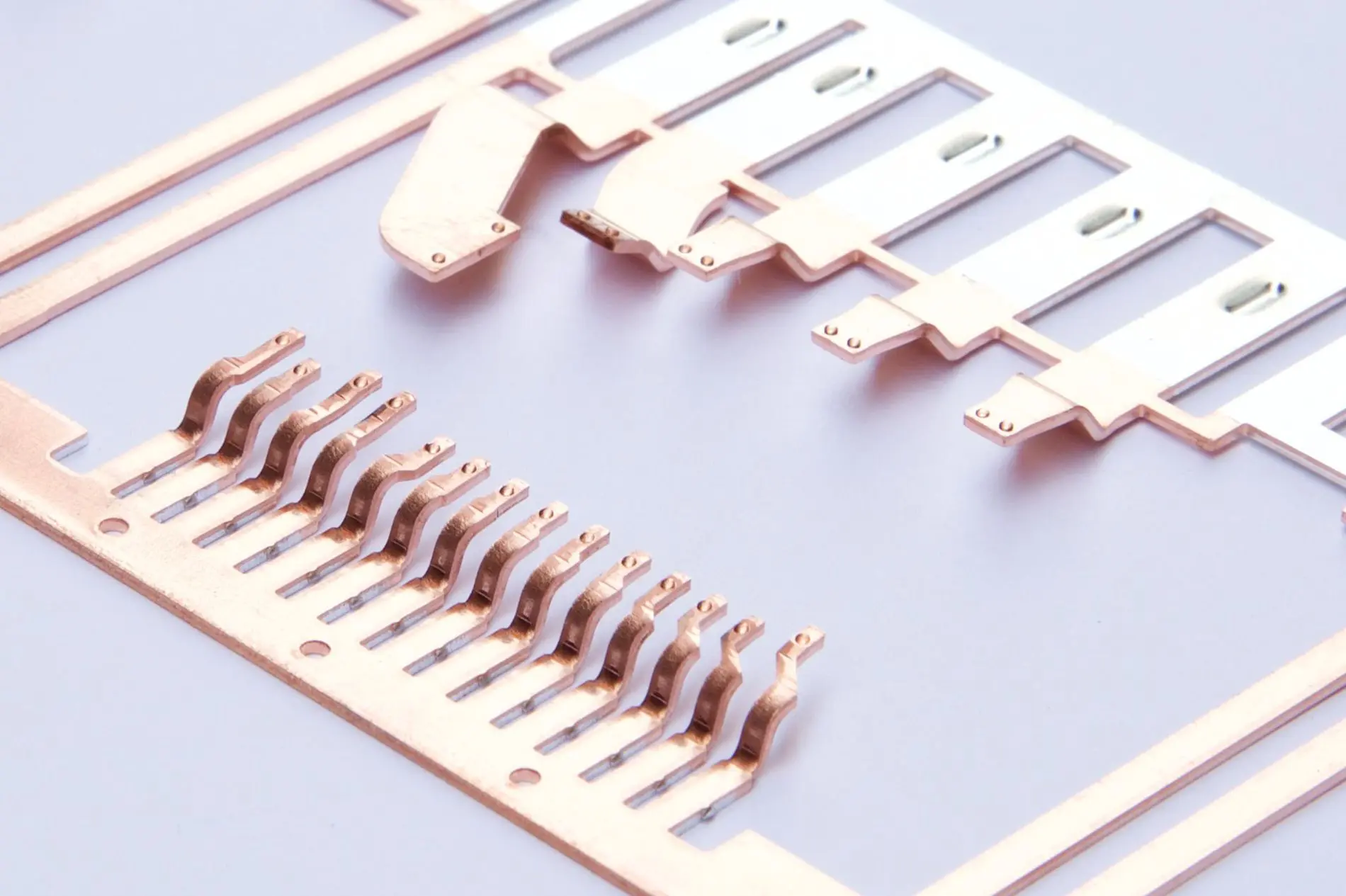
The use of various copper materials is every present within the electrification industry. Brandauer has been stamping copper components for decades, understanding all the potential pitfalls when manipulating this material. The strong thermal conductivity and easy to work with properties are just some of the reasons as to why copper is so important within this industry, and one specific industry relying heavily on copper to aid in the electrification journey is the automotive industry.
There has always been a long list of components that require copper for automotive manufacturers, but it’s been documented that an electric vehicle uses more than double the copper of an internal combustion engined vehicle! This first hand showcases the requirement and demand for copper within the electrification industry.
Demands from the automotive industry are more than just component complexity and finishing, or even cost, timing, and quality. There is a stringent demand for outstanding traceability and control of certain key or critical characteristics, such as surface roughness, which needs to be tested for adopting non-contact inspection procedures.

Electrification case study
Power Generation for Wind Turbines
Component Name = Segmented stator lamination stacks for the stator in the generator
Volume = 100k parts per annum
Value = £200k GBP per annum
Problem
This customer was struggling to find a UK source for thin gauge (0.2mm) laminations to be manufactured with tooling on a tight budget.
Solution
After doing some research for themselves, they found that Brandauer were the only UK source capable of stamping 0.05-0.3mm laminations. Brandauer owned modular die-sets, which allowed for a low-cost development and supply of loose laminations. Once the project was underway, it was found that the customer saved nearly 50-60% on tooling costs, had they gone down traditional tooling manufacturing routes.

The latest from the Info Hub
Industry insights, technical guidance and knowledge sharing from Brandauer, global leader in precision high-volume engineering.


Nationally recognised,
globally trusted
Beyond heritage and case studies, Brandauer has a reputation backed by a range of awards and quality standards. Along with being one of the very few SMEs to hold both the King’s and Queen’s Awards for International Trade and Innovation, the business has also been a proud recipient of multiple awards over the years, all in many different areas, spanning components, people and environmental efforts!
Beyond Brandauer’s success, we hold a range of quality certifications and are committed to continuous improvement of everything we do.