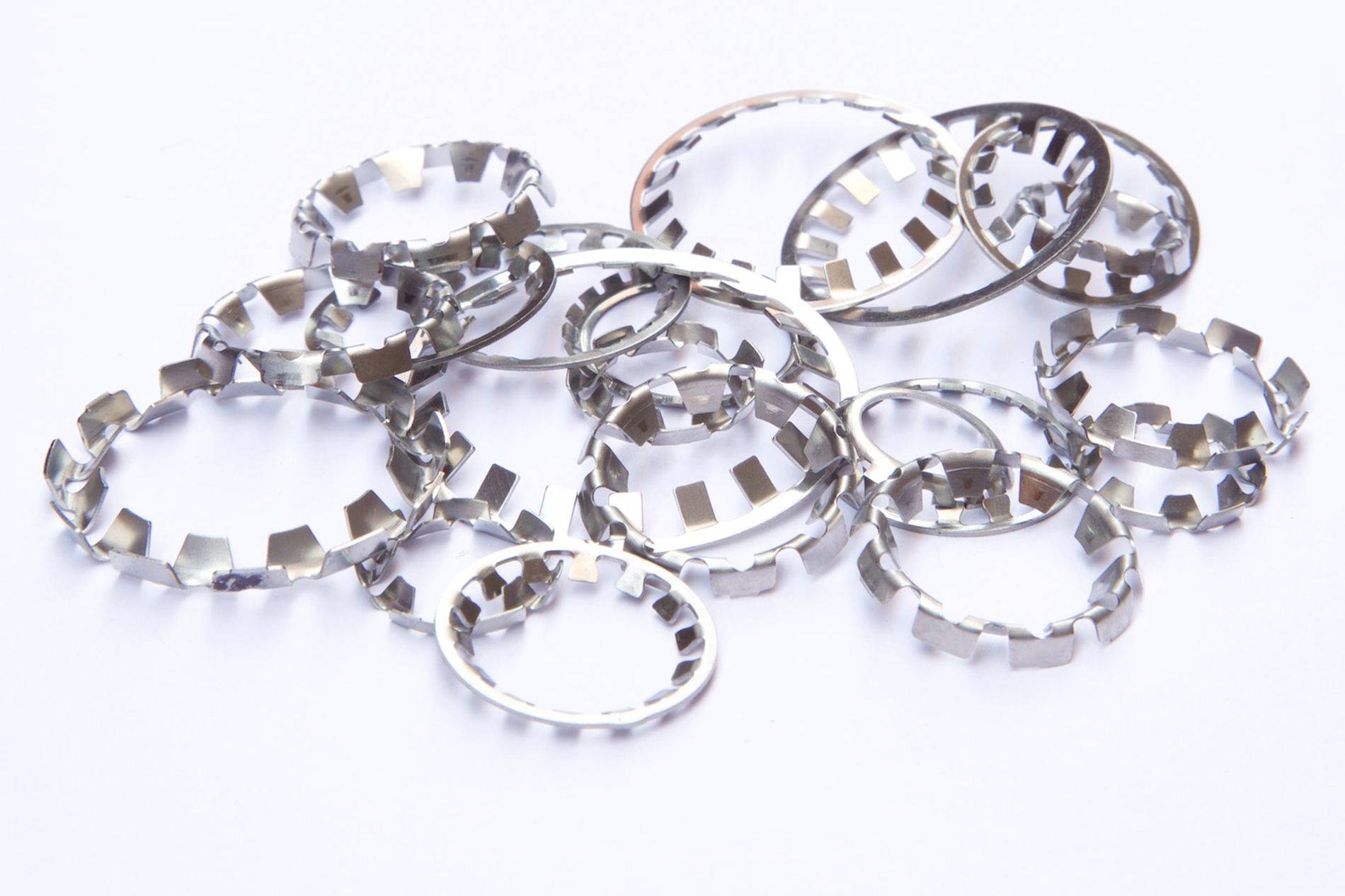
Metal stamped components
For Brandauer, when manufacturing precision metal components, the smaller, the better. A reputation that spans beyond a capability; it’s a commitment to innovation. Brandauer works to stringent micron tolerances daily.
Precision components that power everyday possibility
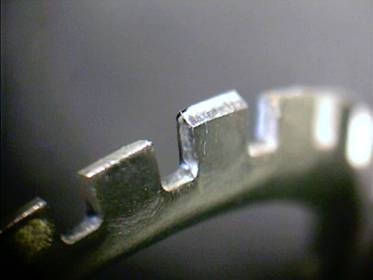
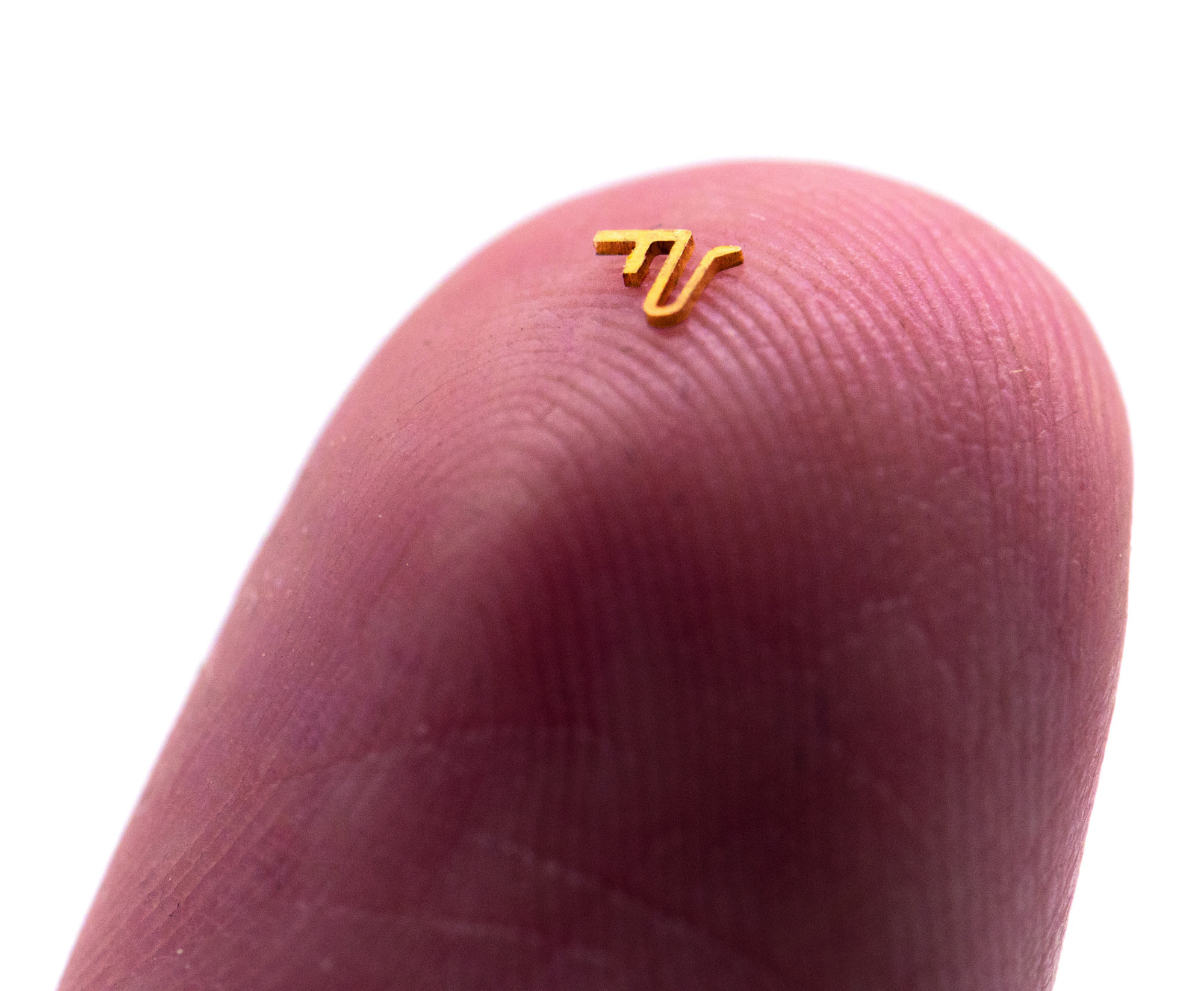
Working to within 10-20 microns is the norm. To give that some perspective, a human hair is on average 40 microns thick. This level of precision capability is not a common feat amongst metal-stamped components. This accuracy and precision are what position Brandauer as one of the leading precision presswork companies in the world.
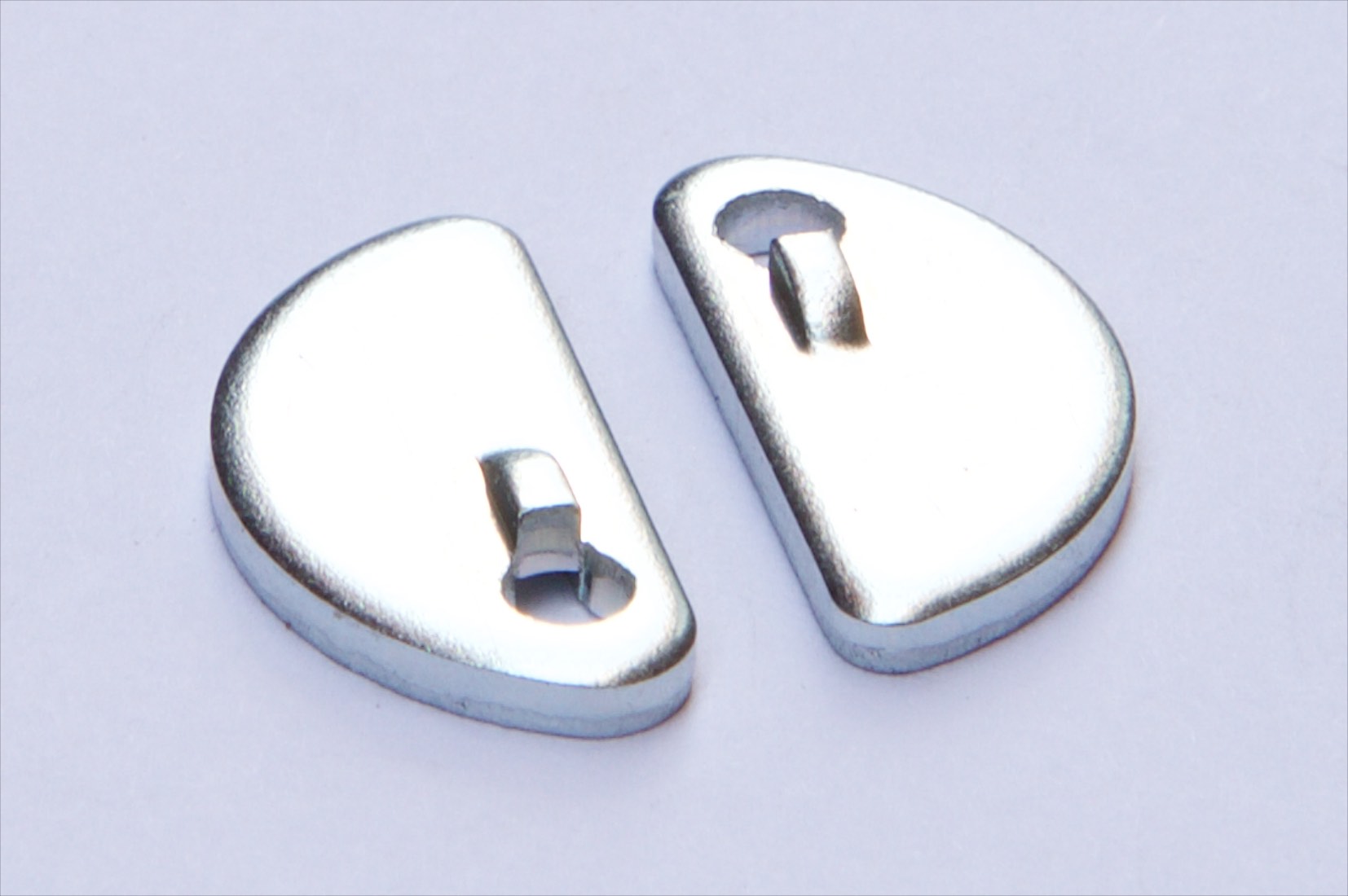
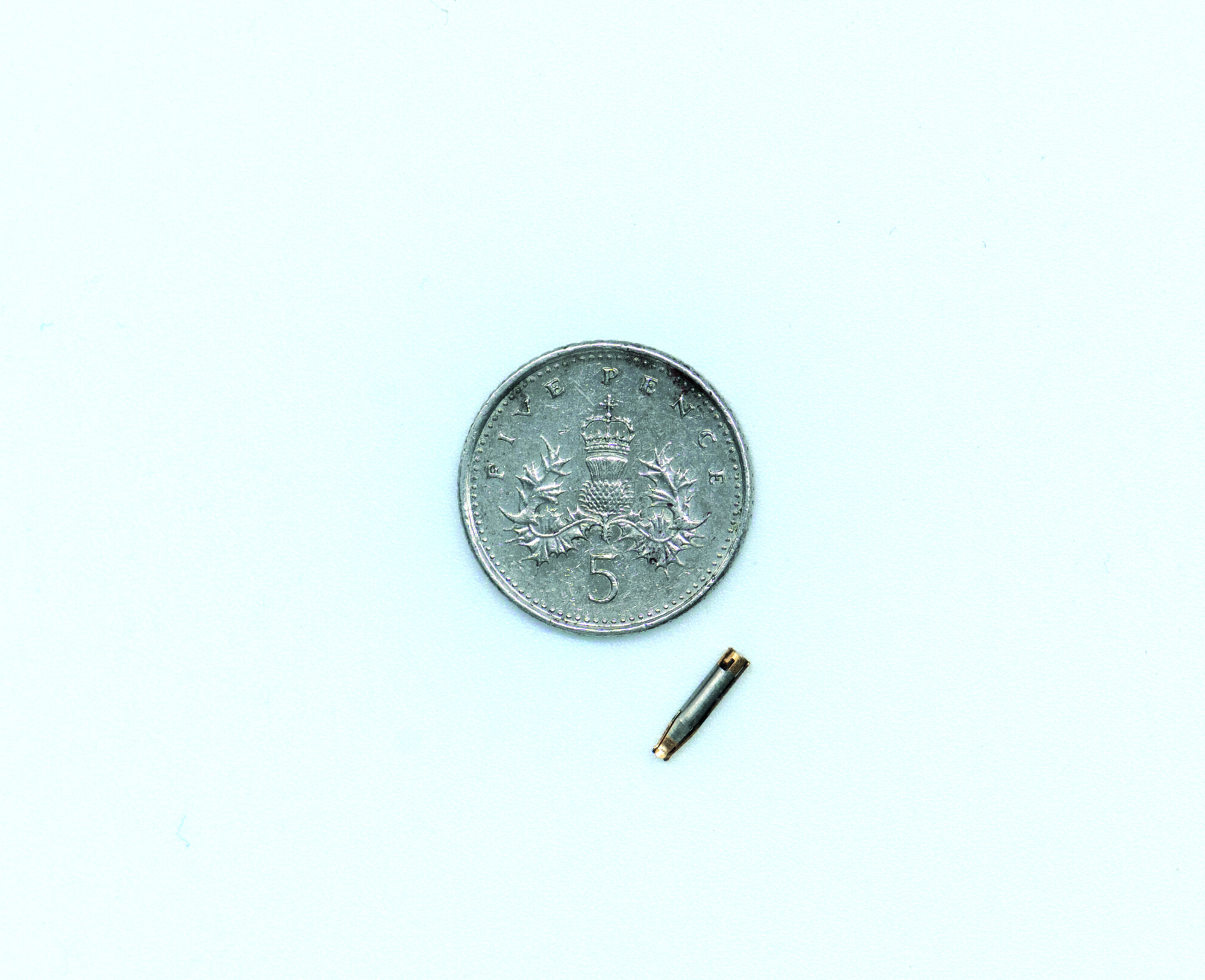
Every one of Brandauer’s stamped components fits into the palm of your hand… but this size does not determine its significance. Brandauer components often find themselves at the forefront of operational importance when placed in their final use cases. Without Brandauer components, many of the day-to-day tasks you complete would simply not be possible without their presence.
Brandauer is one of the global leaders for the precision metal stamping market, with in-house capabilities covering more than just component manufacturing. Some capabilities include DFM reviews, consulting, prototyping, design development, design and in-house tool production, tool transfer and more.
Brandauer’s metal stamping history
With roots stretching back to Birmingham’s industrial golden age, Brandauer’s evolution from pen nib manufacturing to advanced metal stamping spans nearly two centuries of innovation, precision, and engineering excellence. Explore our journey through the decades below.
Brandauer’s metal stamping capabilities span back to the company’s inception in the 1800s. Beginning with pen nib manufacturing, C. Brandauer & Co Ltd founded itself by riding the wave of Birmingham’s “Pen shop of the world” status. With more steel pen manufacturers concentrated within just a few square miles than in the rest of the world. Brandauer began differentiating themselves early, and by 1890, they had 424 individual pen designs, many of these in multiple sizes, finishes, and colours, placing themselves as one of the world’s leading pen nib manufacturers in terms of range. By the end of the Victorian era, Brandauer’s pen nibs were in everyday use across the country: in schools, government offices, banks, alongside society’s most important job roles at the time, such as lawyers, mapmakers and even the royal family.
With Brandauer’s pen nib manufacturing at the forefront of their revenue, the competitive nature of the manufacturing and engineering hub in the Midlands saw continued growth, and eventually, Brandauer saw opportunities for growth outside their extensive pen nib range. During the 1930s, Brandauer appointed Edward Augustus Gorton. He has a prolific background in automotive manufacturing, electroplating, polishing and metal finishing, and during this time, it is documented that Mr Gorton produced some “pioneering work” which was described as light presswork. Although it is not known what components were being manufactured, the processes did include blanking, marking and piercing of thin, small metal components.
When World War 2 broke out in 1939, Brandauer had begun to expand their light pressing department, with capabilities surrounding electrically powered roll-feed presses and tooling capability way surpassing pen-nib manufacture. But with the emergence of the war, this early expansion positioned Brandauer to provide crucial manufacturing aid during the war. They were formally approved by the Air Ministry to manufacture aircraft components early on during the war. This appointment was further confirmation to the business that precision capabilities spanned beyond pen-nibs.
The biggest shift for Brandauer was during the early 1940s. The government declared the manufacturing of steel pen-nibs to be non-essential, and labour was directed away from pens and towards war production. This saw Brandauer gaining valuable experience in progressive stamping for complex geometries, forming and manipulating high-strength materials, consistent dimensional control, documentation and inspection standards (required by governmental bodies) and coordination with the country’s defence and aerospace Tier 1’s (Lockheed Martin were a prime example).
Brandauer’s post-WW2 pen-nib manufacturing resumed, but not to the scale it once was. Profit margins were low, and in 1961, Brandauer made the decision to move away from a century-long trade. This was a huge turning point for the business, and during the 1960s, Adrien Petit brought new, more modern methods of manufacturing into the business, such as Schuler power presses, EDM machining and modern tooling strategies. This set the precedent for Brandauer over the next 65 years of development.
Since the 1960s, Brandauer has invested heavily in the toolmaking and stamping industry, processes such as WEDM machining, advanced toolroom capabilities, repeatability at micron scales and burr-free edges & controlled finishes allowed Brandauer to stay at the forefront of the world’s most progressive of industries. This investment and commitment continue with plans cemented way into the future of the business.
Many engineering developments, world renowned companies, complex components and market sectors have all come through the Brandauer factory and innovation remains a huge part of Brandauer’s core values. It’s what set the company apart from its competitors in the early 1900s, and it is continuing to do the very same thing over 100 years later.

Brandauer’s precision prototyping service
Looking to validate your next big stamping project? Brandauer’s precision prototyping service gives you the quality of a fully tooled component, without the up-front cost! This rapid prototyping service is designed for engineers and designers who need high-quality parts fast. Combining laser cutting, precision metal forming, and decades of stamping expertise, we can turn a 2D drawing into a 3D component in as little as 48 hours. When standard materials are used, quotes can be returned within 24 hours, making it possible to go from concept to component in record time – ideal for live trials, fast decisions and accelerated product development.
Our prototyping service is tailored to your needs, no matter how simple or complex your design is. Brandauer’s legacy of precision engineering means you can count on us to deliver – even when speed is vital.
Metal stamped innovations

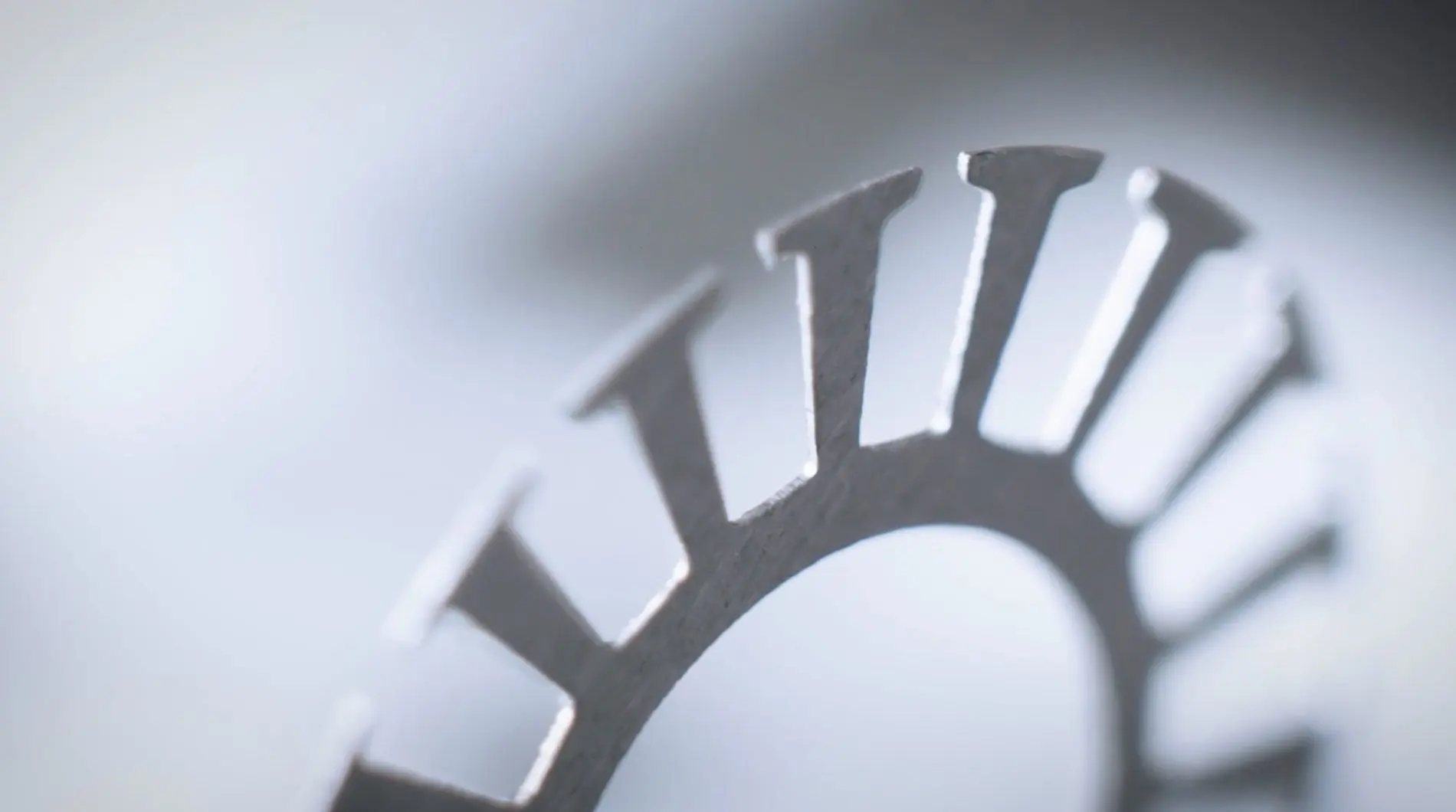
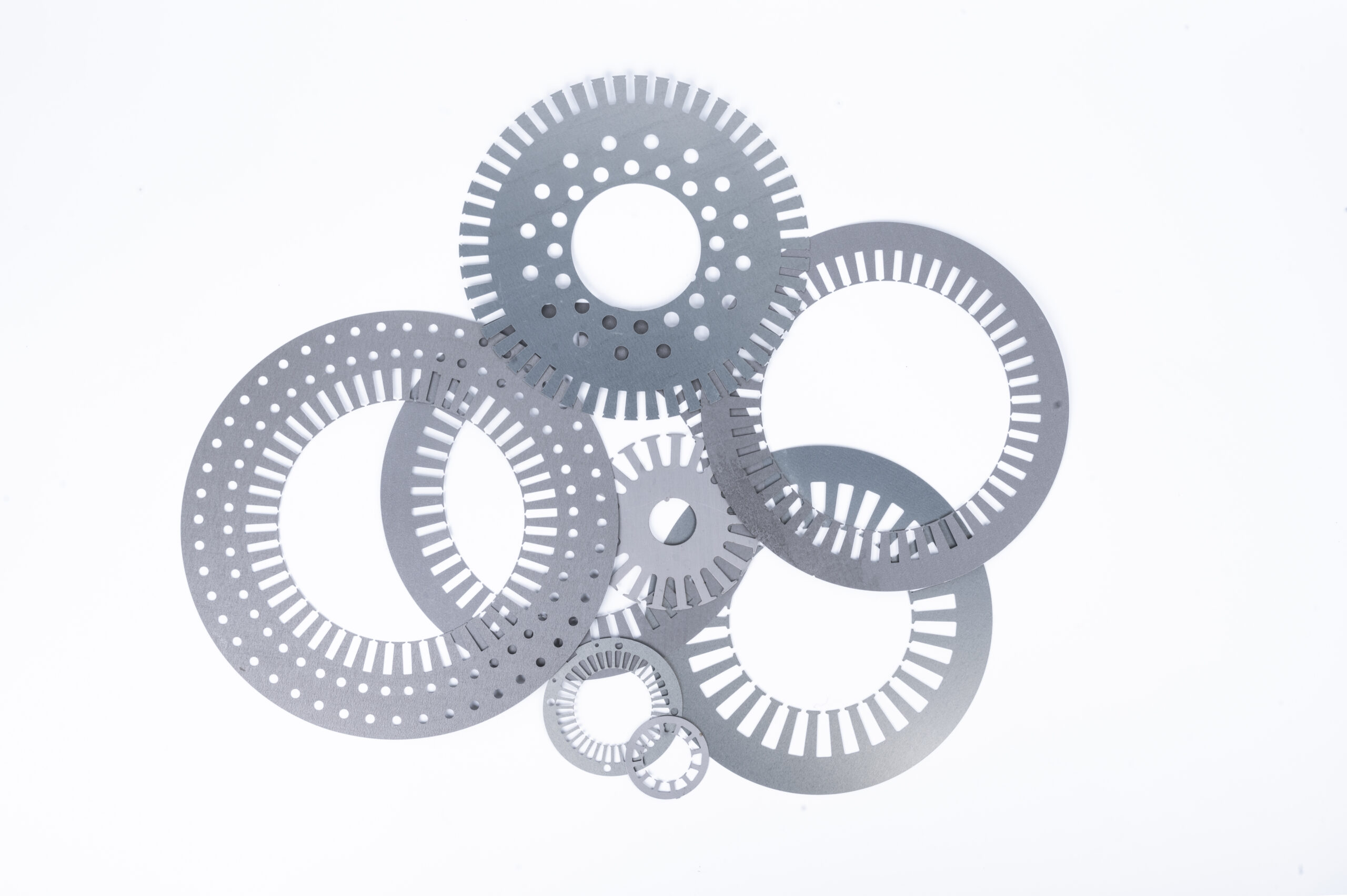
Electrical steel laminations
Motor lamination stacks for a wide range of applications and sectors. Designed, manufactured in-house and delivered globally.

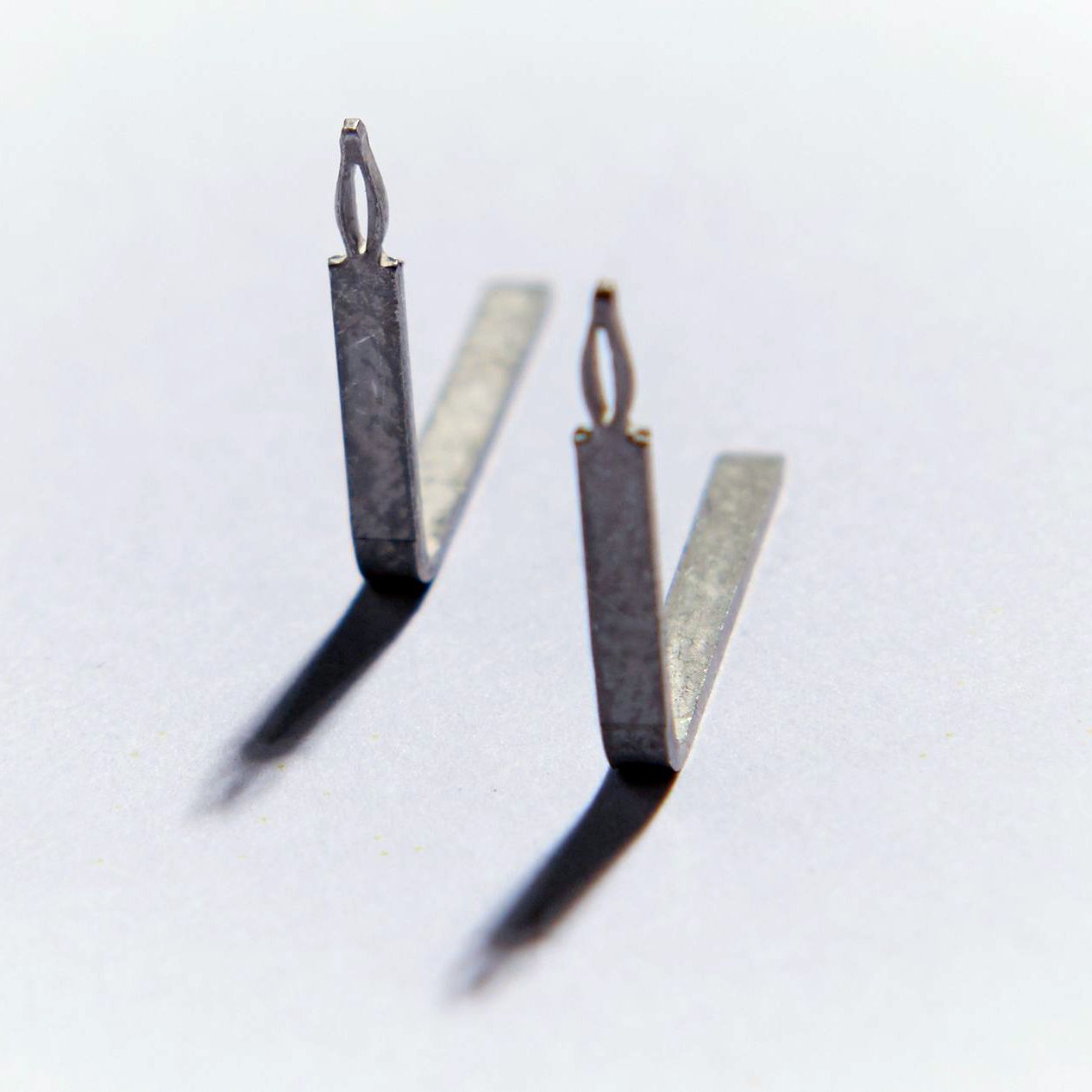
EloPin
The only licensed UK supplier/manufacturer of EloPin press-fit connectors: a well-proven, solderless PCB board connector.

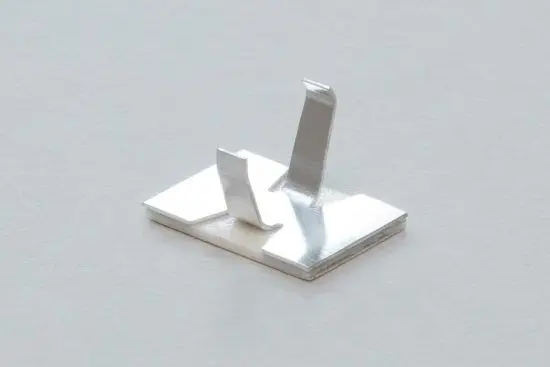
Cable Clips
Ready to use, aluminium self-adhesive cable clips. The perfect semi-permanent cable management clip range.
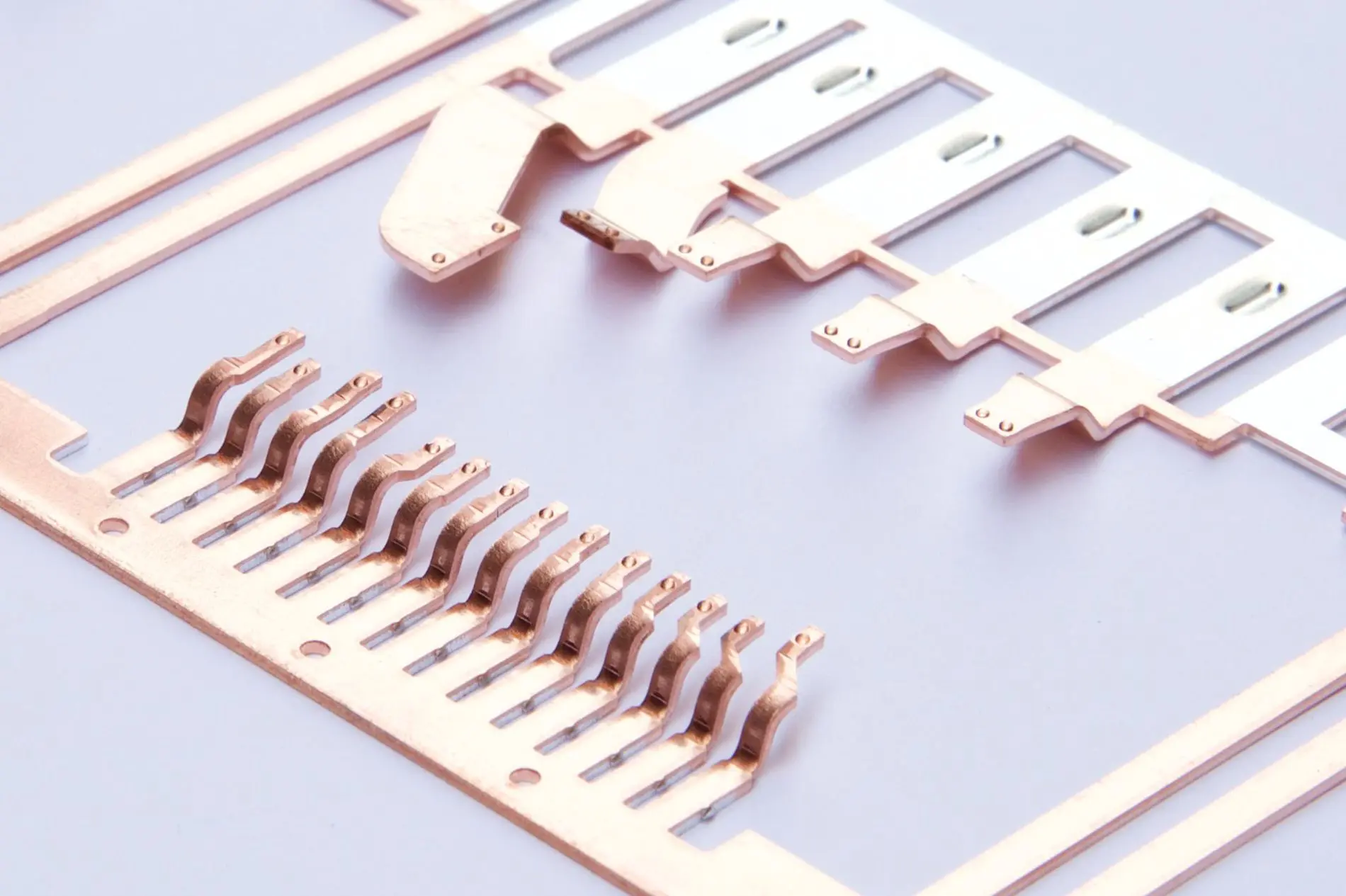
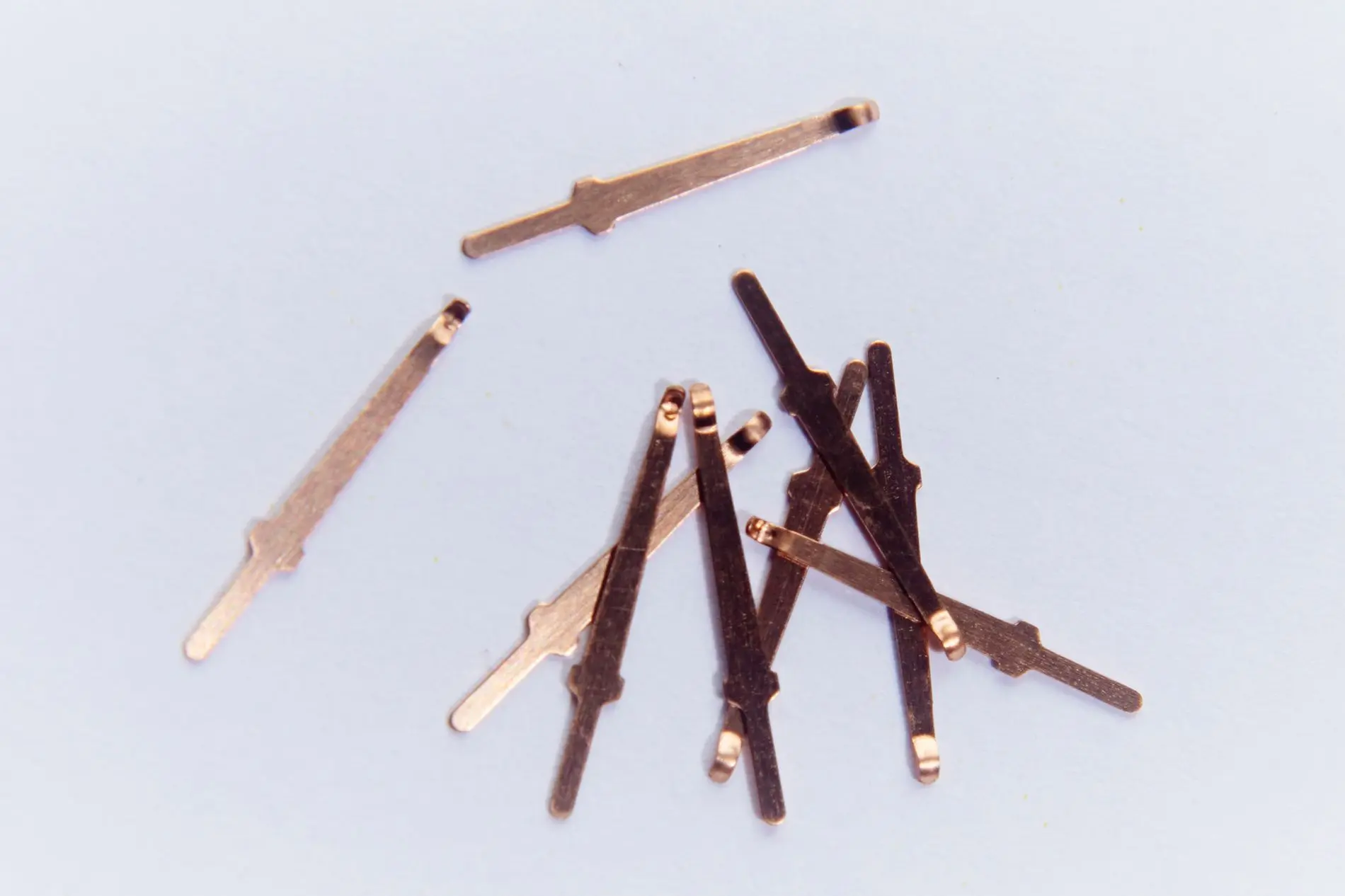
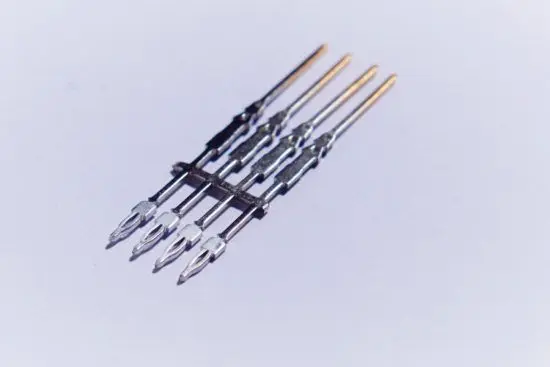
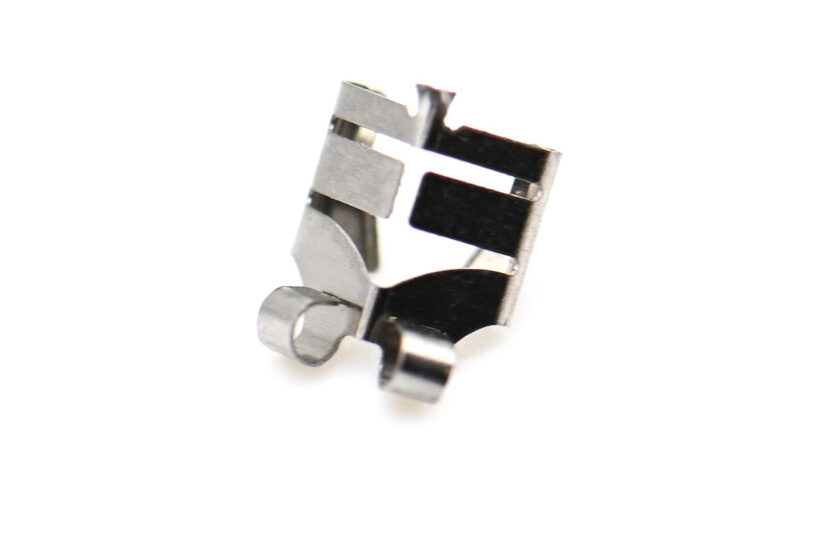
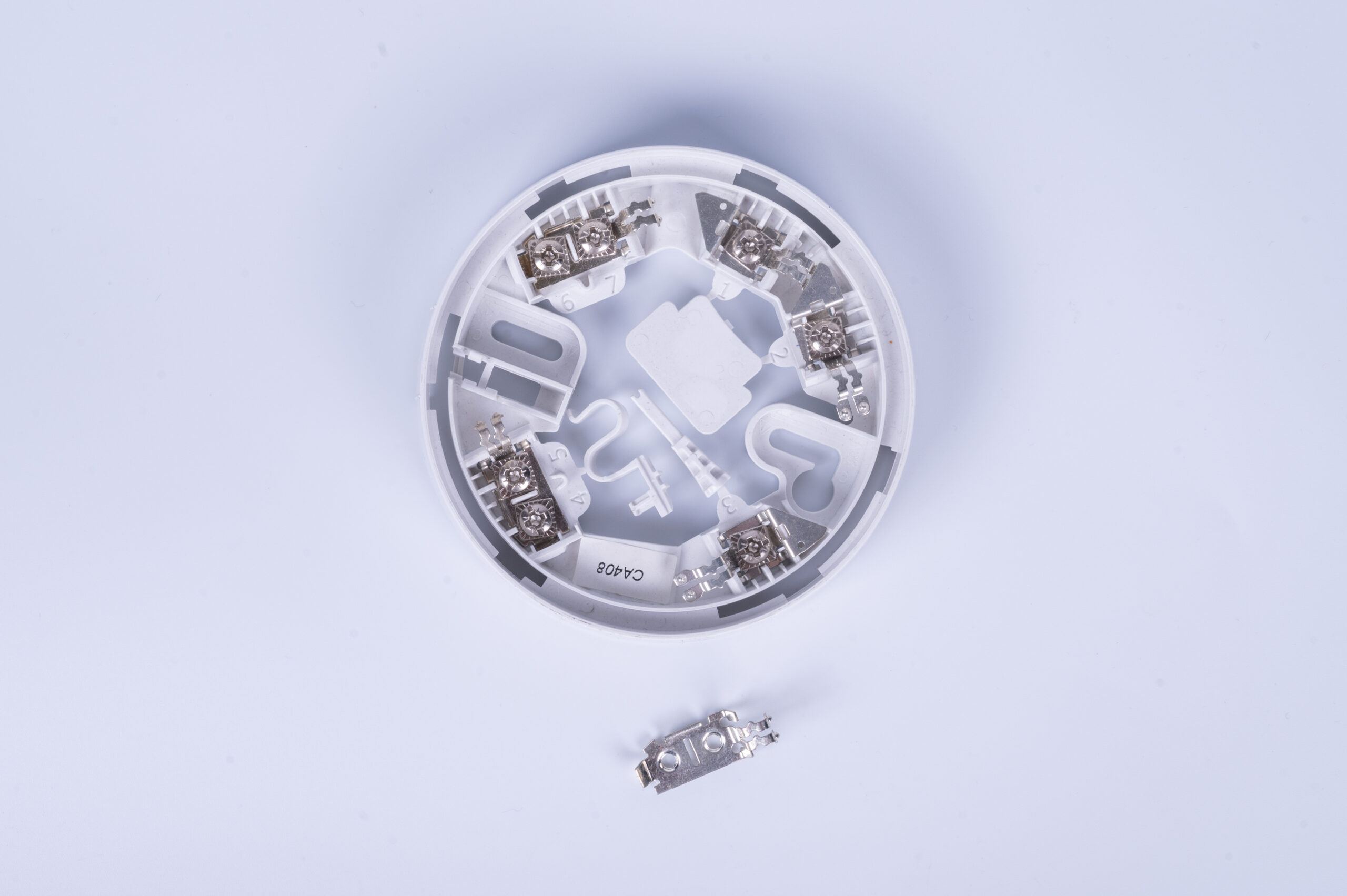
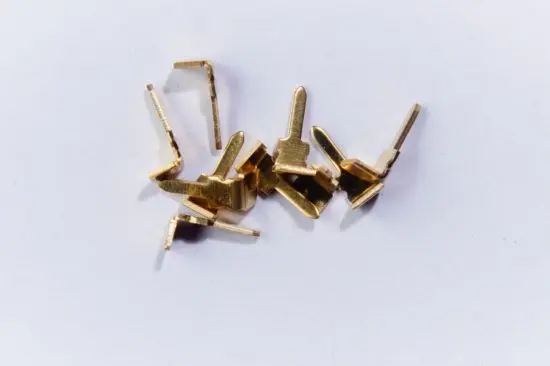
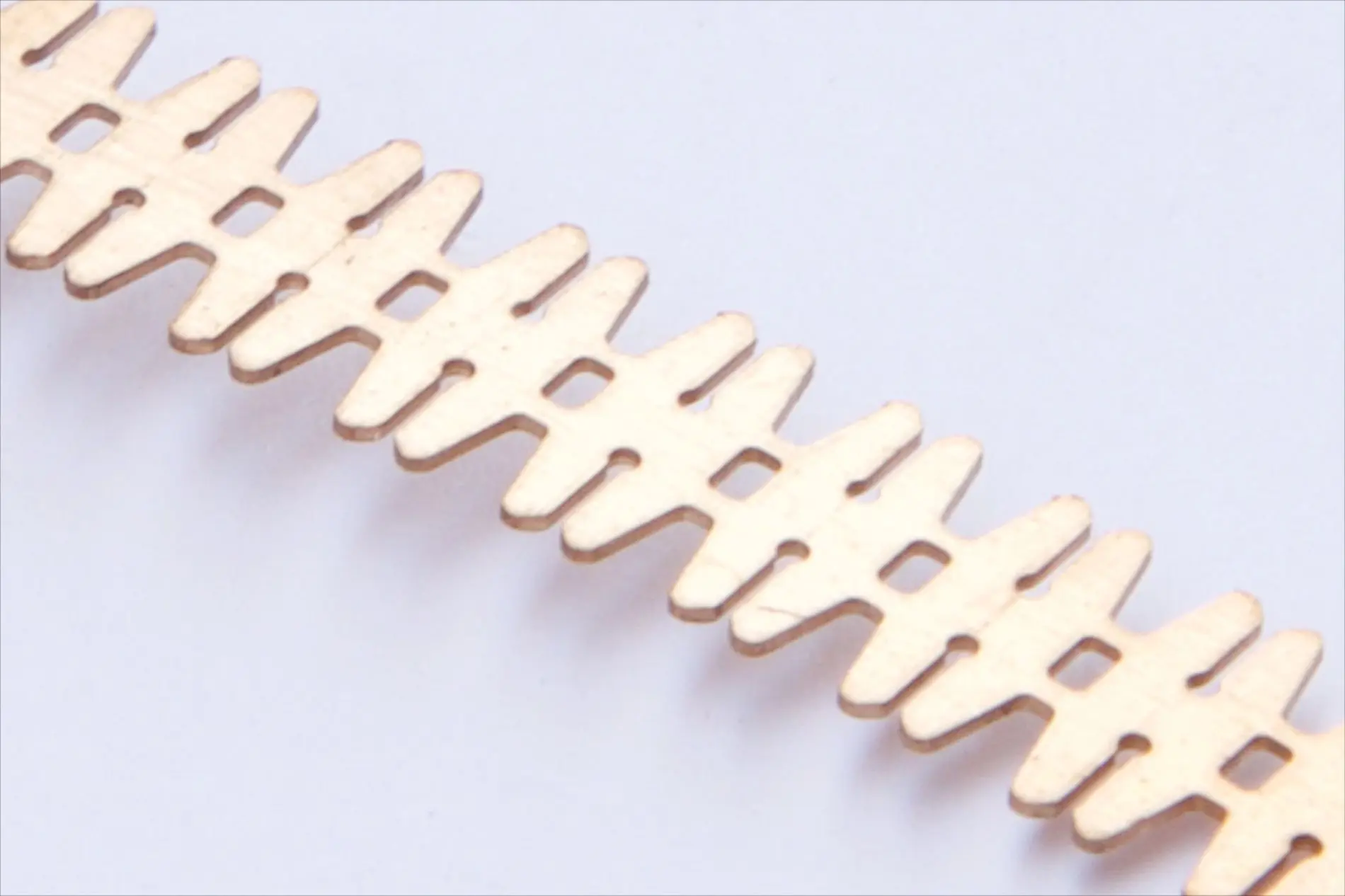
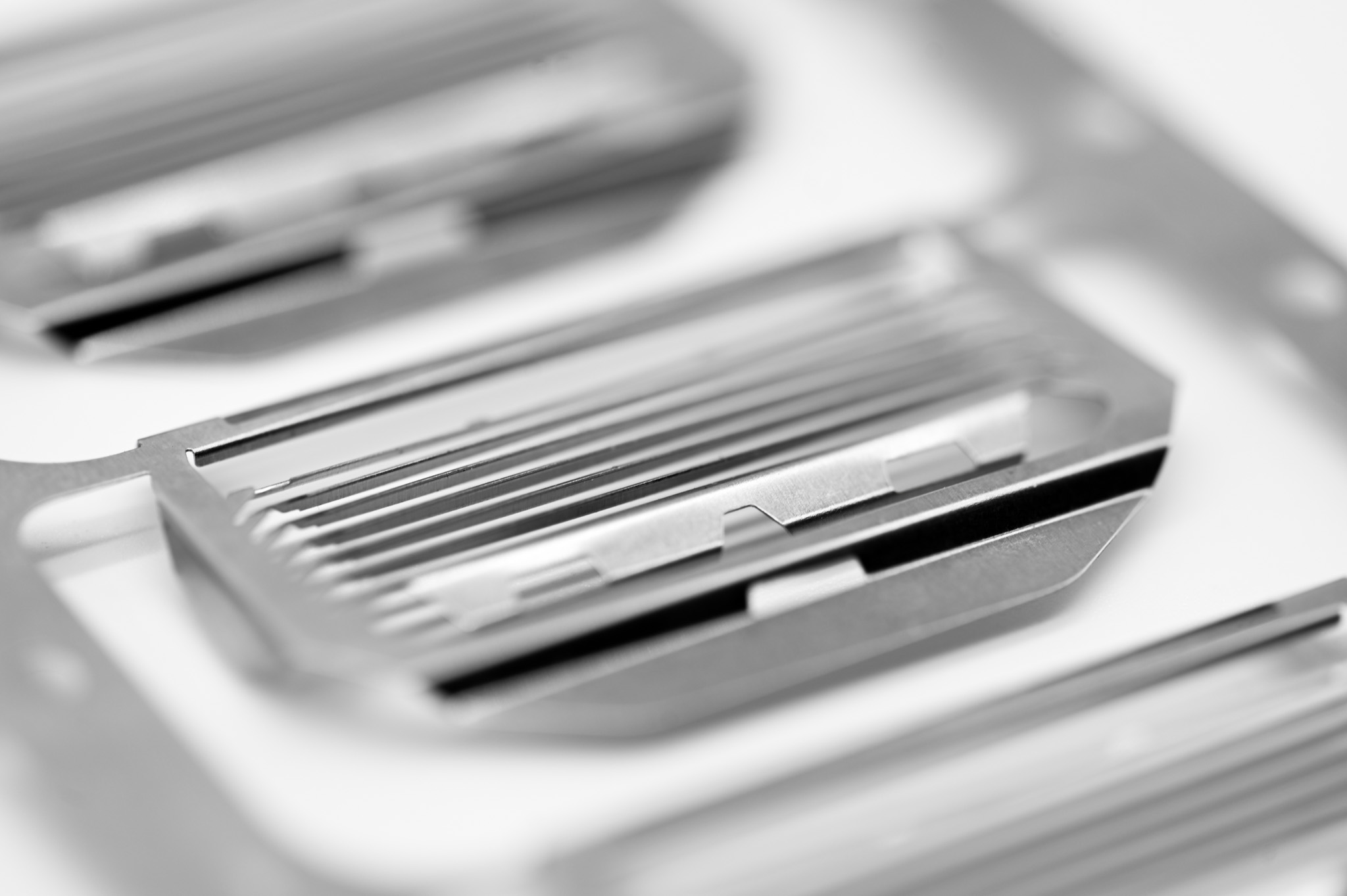
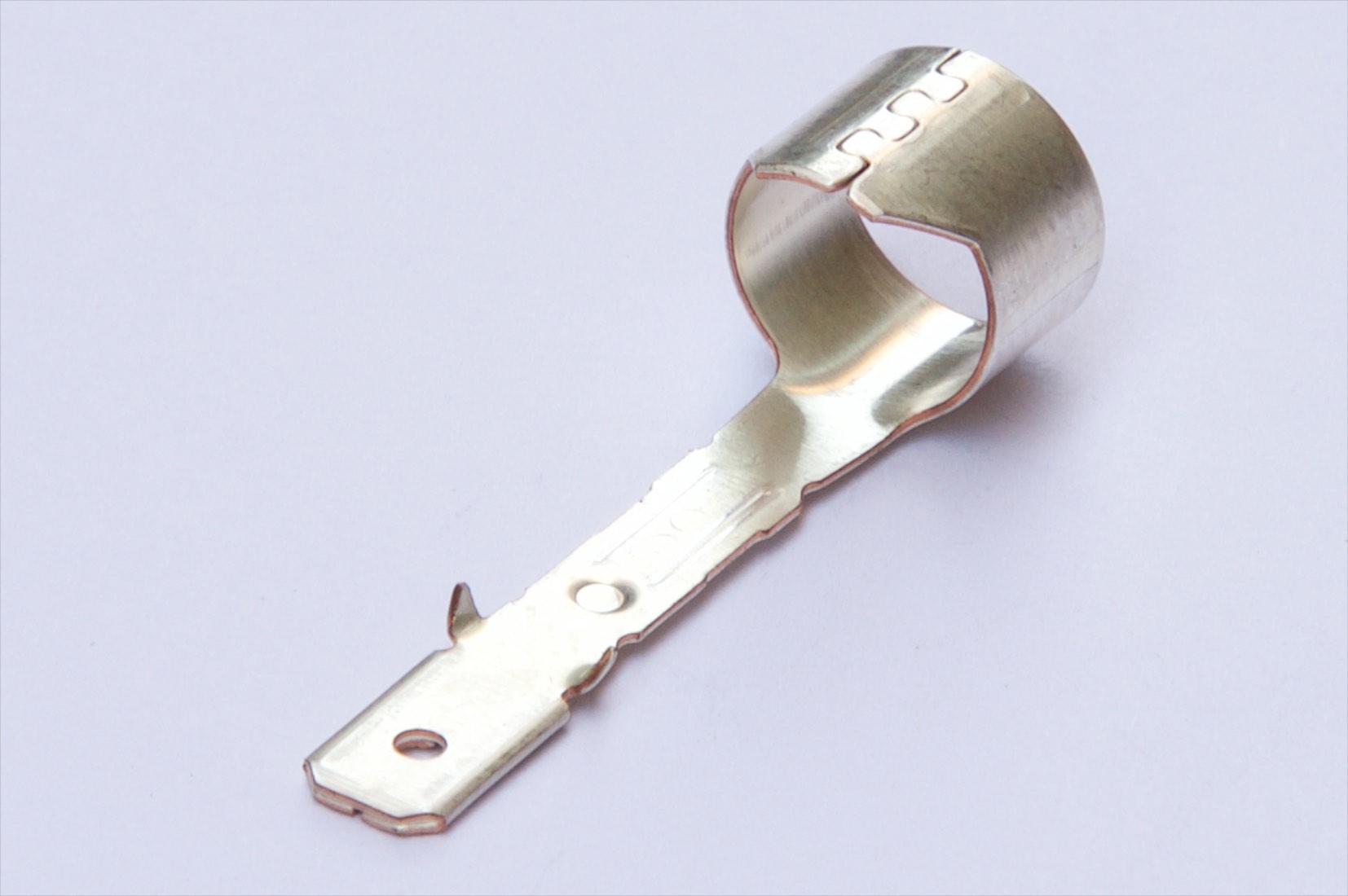
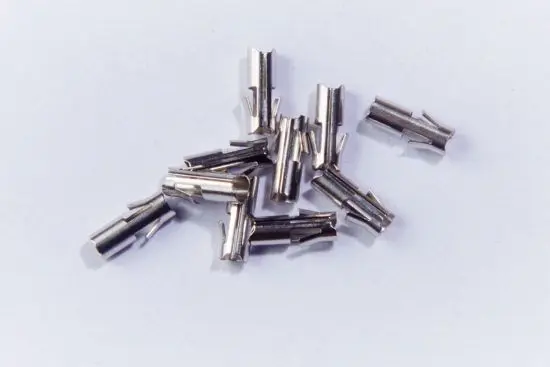
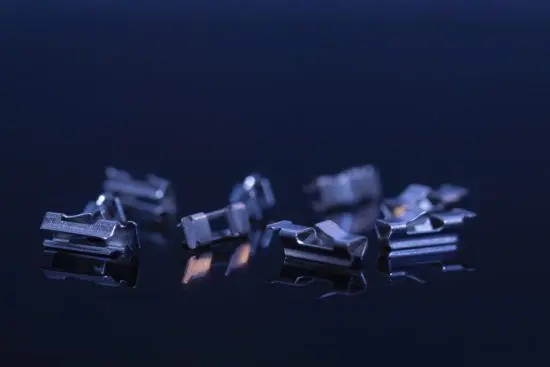
Typical Brandauer components
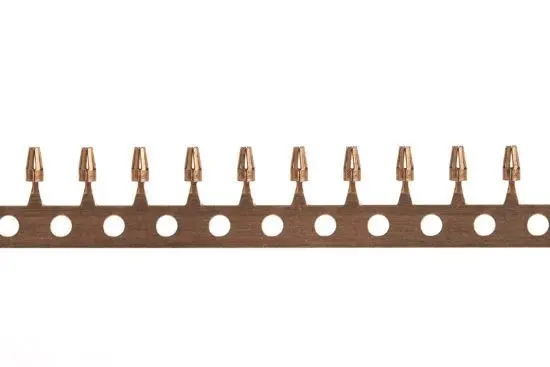
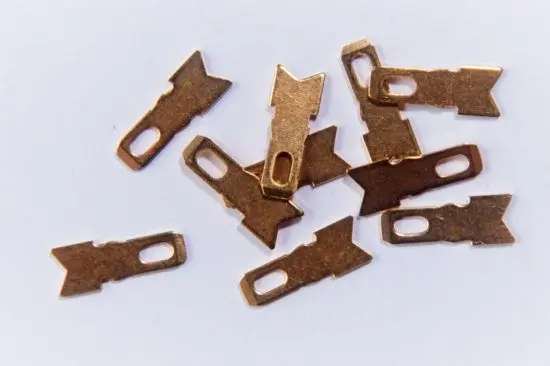
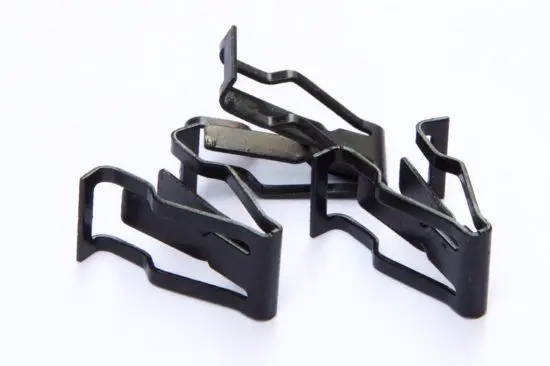
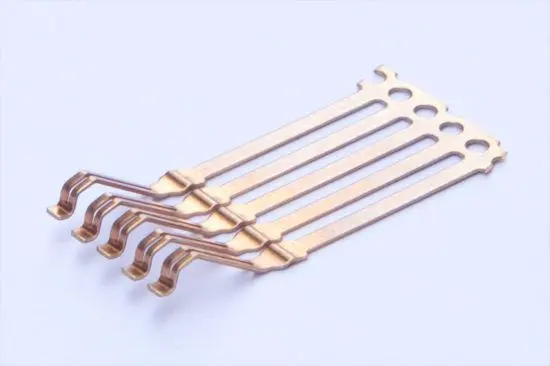


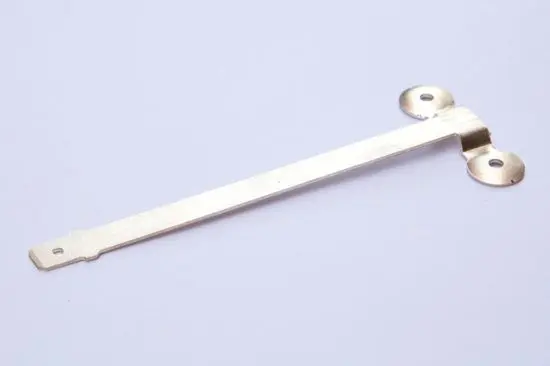

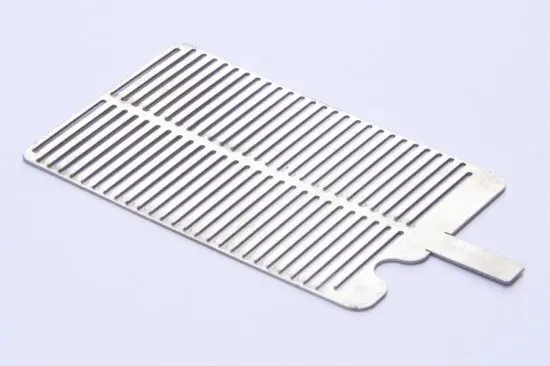
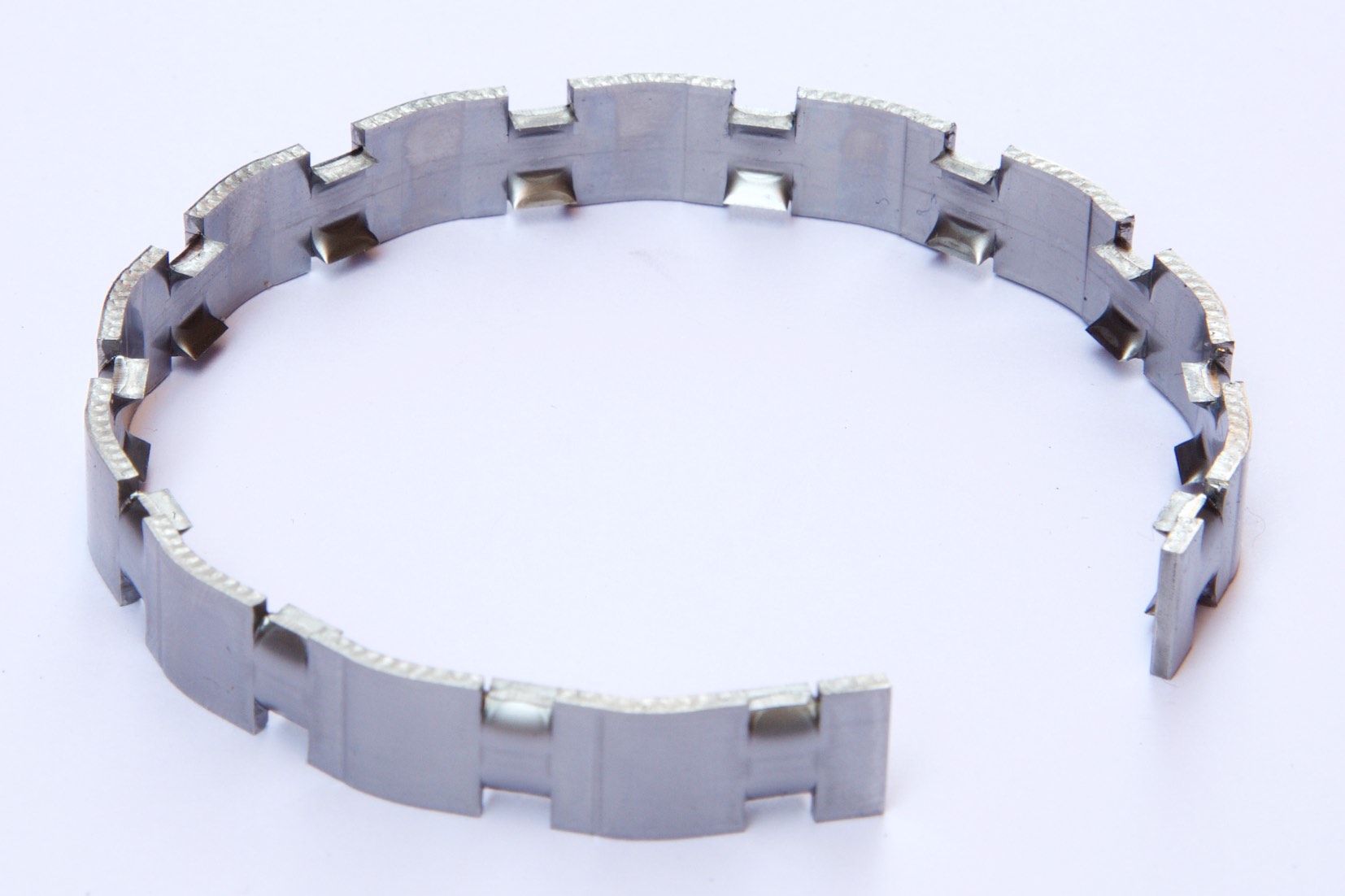
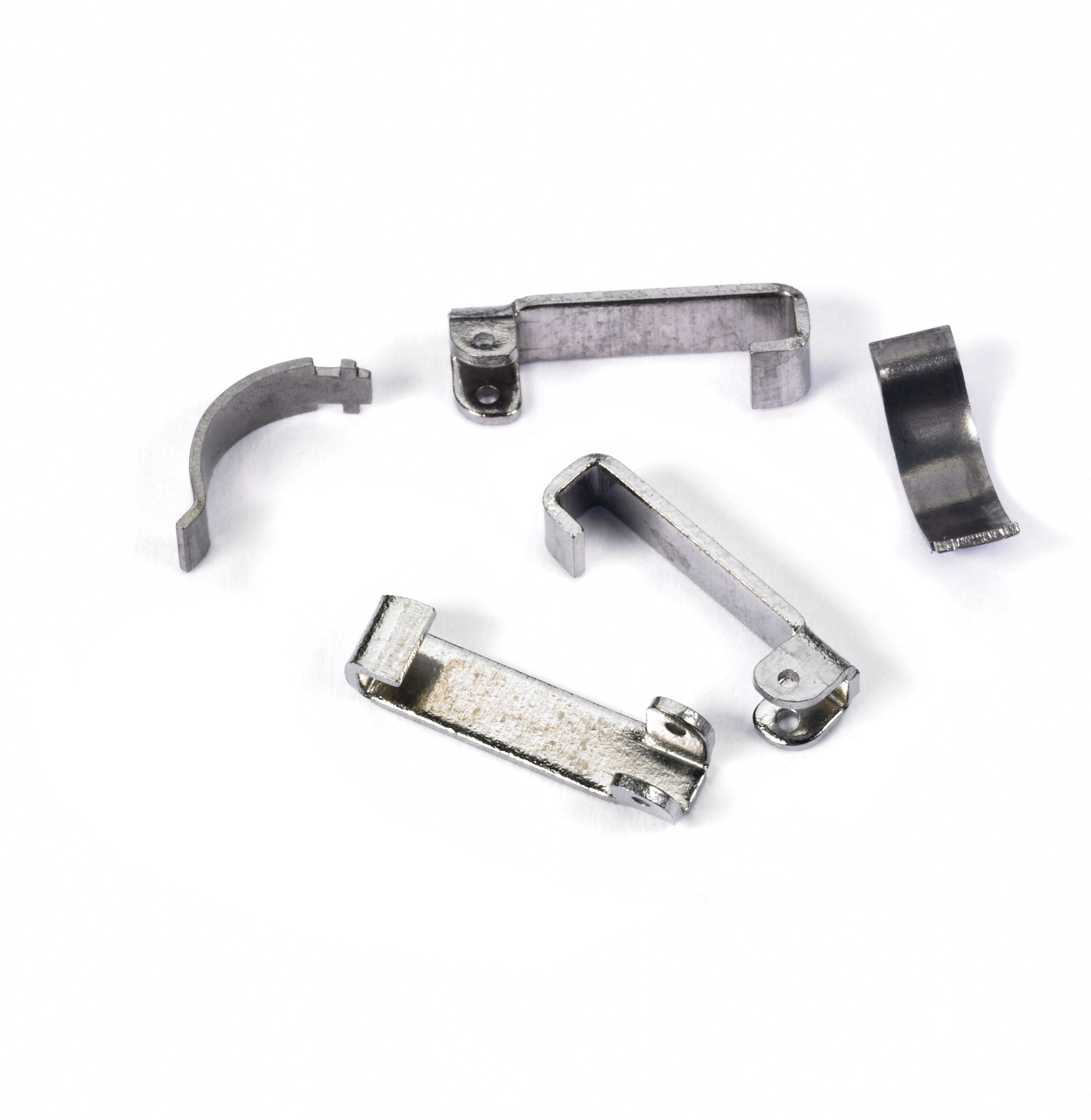
A technical rundown and materials capabilities
Brandauer’s historical expertise and innovation have allowed components to be manufactured at tolerances never seen before. You may be asking yourself: what specific materials can Brandauer work on, and what technical capabilities do we possess for your project?
Material thickness
Brandauer works with a range of thin-gauge metallic strip material for high-precision blanking and forming.
Typical material thickness capability:
- Ultra-thin precision strip: ~0.03 mm to 0.10 mm
- Thin gauge precision strip: ~0.10 mm to 0.50 mm
- Medium gauge strip: ~0.50 mm to 2.00 mm (geometry and material dependent)
The lower bound is governed by strip stiffness, feeding stability and burr control, while the upper bound is governed by forming force, tool stress and press tonnage.
Tolerances
Typical Brandauer stamped parts work within tolerances between 10 and 100 microns. To achieve this, Brandauer has tooling capabilities down to 1 micron tolerances. Tighter tolerances on our tooling mean more precise tamped parts being supplied.
Typical achievable tolerances (dependent on material, geometry, and operation):
- Fine-blanked / precision-stamped features: ±2–5 µm on critical dimensions under controlled conditions. ±5–10 µm on complex multi-feature components
- Formed features (bends, coined details, drawn sections): ±0.05 mm angular or linear tolerance, with tighter limits achievable through tool compensation
- Thickness-related tolerances: Governed by incoming strip control (typically ±1–3 µm on precision strip materials)
Tolerance repeatability is maintained over millions of cycles, not merely first-off capability.
Brandauer press machines
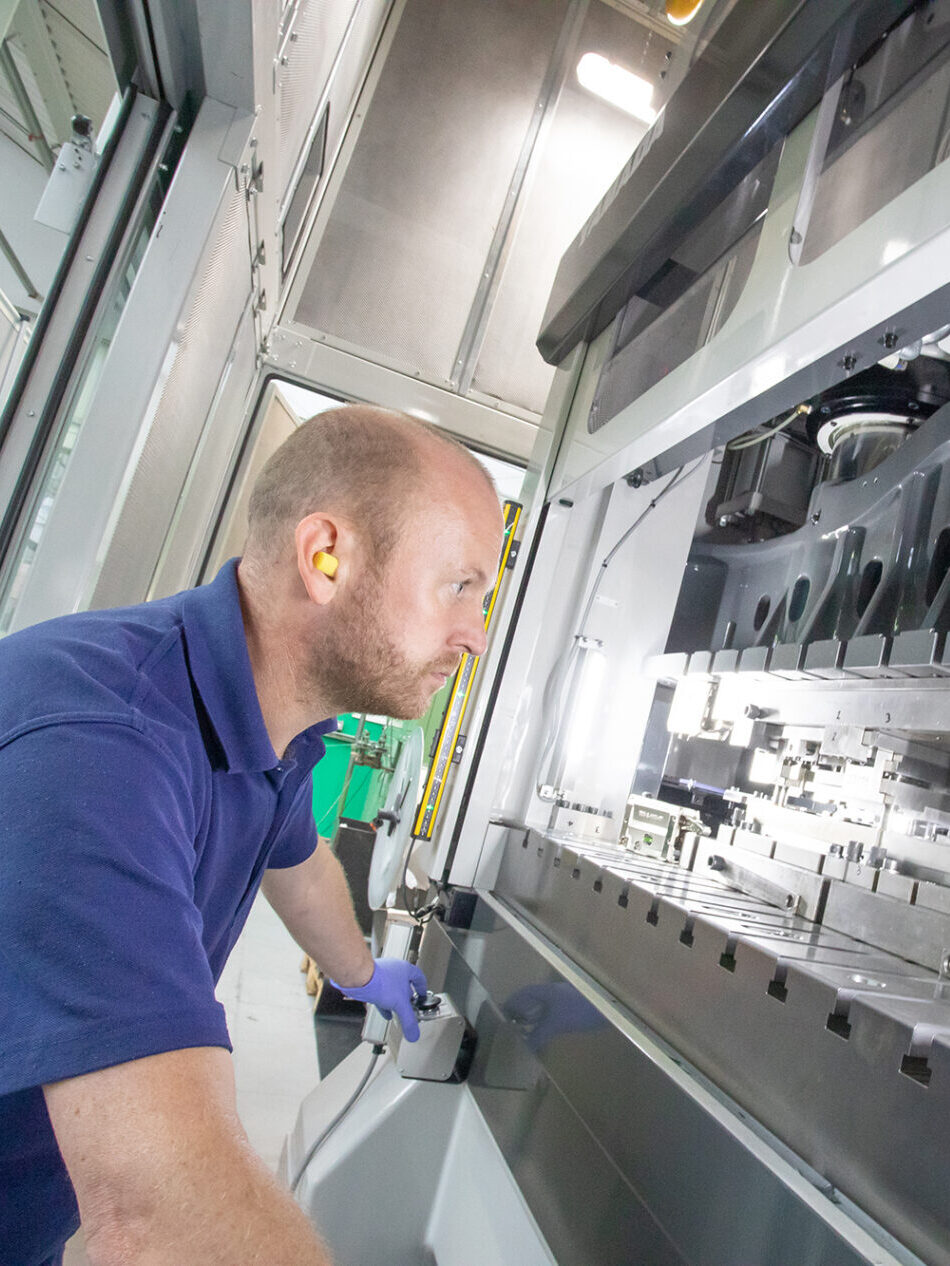
Brandauer works with multiple power press machine suppliers to enable a flexible range of specifications of stamping technology. We house press machines ranging from 5T right the way through to a maximum of 80T. Press capability is defined by high structural rigidity, repeatable control and consistent force delivery under continuous operation.
- High positional and force repeatability with:
- Stable bottom-dead-centre control
- Consistent stroke-to-stroke accuracy
- Minimal slide deflection under load
- Structural and dynamic stability enabling:
- Controlled material flow
- Predictable forming and shearing behaviour
- Reduced sensitivity to material variation
Finishing and added value
Brandauer offers multiple additional services alongside precision metal stamping, all to add value to your component to ensure the best performance at the lowest cost. Some of these services include:
Selective plating
Selective plating applies functional metallic coatings only to the defined regions of a component, leaving non-functional areas uncoated.
Coating Types – Brandauer works with practically all combinations of precious and semi-precious metallic coatings and strip metals for the manufacturing of their components, including but not limited to:
Technical features include:
- Micron-scale control of plated area location
- Defined plating thickness profiles (localised, not global)
- Reduced material consumption of precious metals (e.g. gold, silver, palladium)
Selective plating is commonly used to:
- Optimise electrical conductivity
- Improve wear resistance at contact points
- Maintain formability or weldability in non-plated zones
Process repeatability is dependent on strip positional accuracy and surface cleanliness.
Metal Finishing
Metal finishing is a blanket term for processes of chemical, electromechanical and mechanical processes applied to alter surface characteristics without significantly changing bulk geometry.
Technical objectives include:
- Corrosion resistance enhancement
- Surface energy modification
- Electrical performance optimisation
- Cosmetic or reflectivity control
Finishing processes are engineered to:
- Maintain dimensional integrity
- Avoid uncontrolled material removal
- Produce consistent surface morphology across high volumes
The choice of finishing route is tightly coupled to material type, downstream use, and environmental exposure.
Reel-to-reel processing
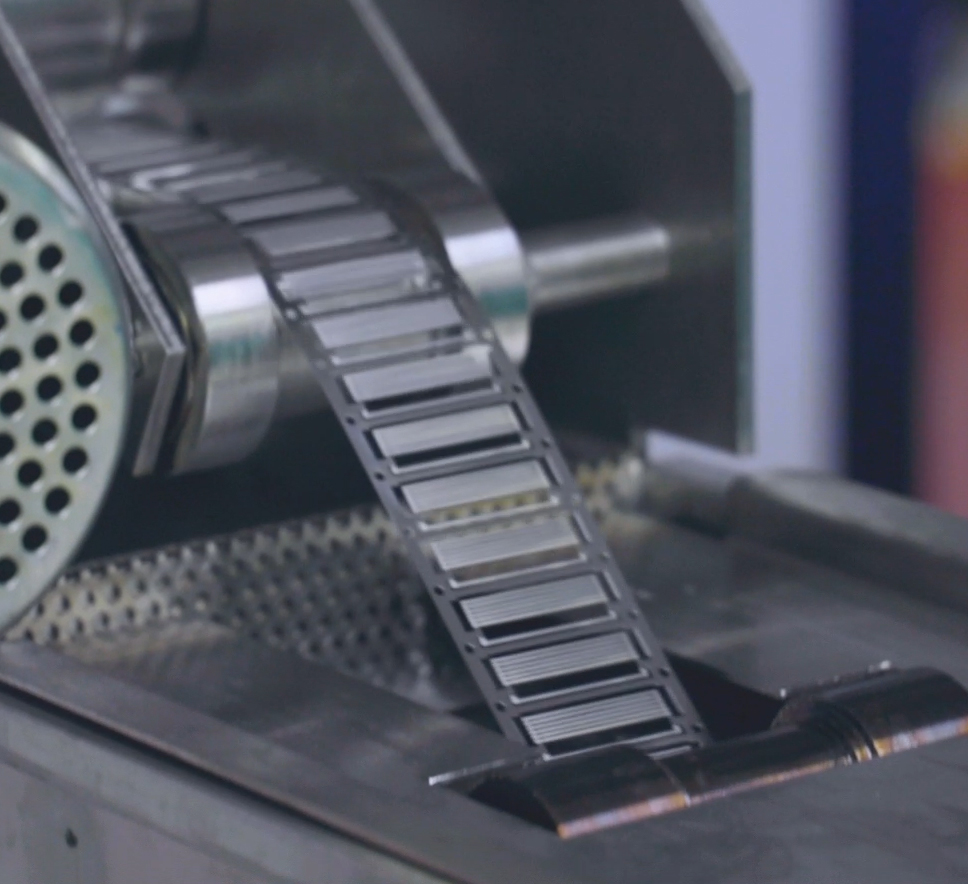
The processing of continuous strip-based manufacturing in which a metal strip is processed through sequential operations without singulation.
- Continuous material flow with:
- Controlled strip tension
- Minimal positional variation
- Elimination of handling-induced distortion associated with part-by-part processing
- High suitability for:
- Thin-gauge materials
- High-volume precision components
- Electrical and contact parts
Material capabilities
Blanking and forming sheet metal is part of Brandauer’s history. We have formed all types of material and understand how difficult to work with materials can react under certain process steps and conditions.
| Material Family | Common Standard Designations | Typical Applications |
| Stainless steels | EN 1.4301 (304), EN 1.4404 (316), EN 1.4016 | Medical components, precision housings, corrosion-resistant mechanical parts |
| High carbon steels | EN C67, EN C75, AISI 1075 / 1095 | Springs, wear-resistant components, high-fatigue precision parts |
| Non-oriented electrical steel | EN 10106 M250-35A, M330-50A | Electrical laminations, electromagnetic components, energy-efficient devices |
| Copper | EN CW004A (Cu-ETP), EN CW008A (Cu-OF) | Electrical conductors, terminals, high-conductivity components |
| Brass | EN CW508L (CuZn37), EN CW510L (CuZn42) | Electrical connectors, precision formed components, decorative technical parts |
| Phosphor bronze | EN CW452K (CuSn6), EN CW453K (CuSn8) | Springs, electrical contacts, fatigue-resistant precision components |
| Beryllium copper | EN CW101C (CuBe2), EN CW102C (CuBe1.9) | High-performance springs, electrical contacts, critical reliability components |
| Nickel alloys | EN 2.4066 (Ni 99.2), EN 2.4360 (NiCu30Fe) | Corrosion-resistant electrical parts, high-temperature precision components |
| Aluminium | EN AW-1050A, EN AW-3003, EN AW-5052 | Lightweight precision components, housings, formed structural parts |
| Pre-plated / pre-coated strip | Tin, nickel, or silver-plated copper alloys | Electrical contacts, connectors, solderable or corrosion-protected components |
Metal finishes
| Finish Type | Typical Coating Systems | Typical Applications |
| Precious metal finishes | Gold (Au), Silver (Ag), Palladium (Pd) | Electrical contacts, low-resistance interfaces, high-reliability signal and power components |
| Base metal finishes | Nickel (Ni), Tin (Sn) | Corrosion protection, solderability, wear resistance, diffusion barrier layers |
| Hexavalent chromium-free finishes | Cr⁶⁺-free passivation and protective coatings | Environmentally compliant corrosion protection for regulated and RoHS-sensitive applications |
| Selective precious metal plating | Selective gold, silver, palladium | Functional contact zones requiring localised conductivity or wear resistance while minimising precious metal usage |
| Selective base metal plating | Selective nickel, tin | Defined solderable or protective regions without full-part coating |
| Reel-to-reel compatible finishes | Continuous strip plating systems | High-volume electrical connectors, stamped contacts, precision strip-based components |
| Pre plated raw material | Silver (Ag), Nickel (Ni), Tin (Sn) | For lower cost electro mechanical applications this allows for more cost effecting plating but some areas of the strip may have bear edges (no coating present after stamping) |
| 1st pass plating (pre forming) | Selective gold, silver, palladium, mickel, tin | Electrical parts can be plated in blank condition and then formed and / or cropped after the plating process is completed |

More information on added value

Tooling
Three completely unique tooling standards to pick from, and proven press tool transfer service to allow clients tools to be moved into our facility risk-free.

Press shops
Press shop facility spanning two floors with output capacities spanning from one-off to millions of components per month.

Cleaning & Treatment
Metal finishing, deburring, polishing, degreasing and heat treatment to your specifications.

The latest from the Info Hub
Industry insights, technical guidance and knowledge sharing from Brandauer, global leader in precision high-volume engineering.


Nationally recognised,
globally trusted
Beyond heritage and case studies, Brandauer has a reputation backed by a range of awards and quality standards. Along with being one of the very few SMEs to hold both the King’s and Queen’s Awards for International Trade and Innovation, the business has also been a proud recipient of multiple awards over the years, all in many different areas, spanning components, people and environmental efforts!
Beyond Brandauer’s success, we hold a range of quality certifications and are committed to continuous improvement of everything we do.