On this page
Introduction
Back in 2015, Brandauer recognised a growing issue: an ageing workforce and an ever-widening skills gap. Talented, experienced staff across the industry were retiring faster than new talent could be brought in.
Something had to change.
Going forward to the present day, we find ourselves in a much stronger position. We are currently working with 12 full-time apprentices across multiple disciplines, and we don’t intend to go below that number, having increased it from our targeted minimum of 10 in 2025.
This article explores why we are so passionate about developing young talent, how we are working alongside academia and supply chain partners to achieve this, and most importantly, what steps Brandauer and other organisations can take to ensure the security of engineering and manufacturing going into the future.
Hopefully you will be able to take something out of our approach and proven processes which you can input into your own organisation and develop the West Midlands talent landscape as a sector.
Why are we pushing in-house talent development?
Since 2016, £400,000 has been invested in our own bespoke apprenticeship programme. This has brought our average age down from 58 to just 44 over a period of 10 years. 65% of our current management team have come from an apprentice background, with two being homegrown talents.
But why have we done this, and what is it achieving?
Because investing in young people isn’t just about supporting individuals: it’s about safeguarding the future of UK engineering and manufacturing. We know so many people, including our own, who are so passionate about UK manufacturing. So why not aid in securing its future?
The industry is going to be constantly evolving, long after we all retire. So, acting now, investing in both young and enthusiastic people, is solidifying the future of the very industry we are so passionate about.
To put it into perspective, 20% of the engineering workforce plan to retire by 2027. One out of five of the current talent offerings will be gone if no action is taken.
After piecing this all together, it was a no-brainer for Brandauer to dedicate its time and resources to the younger generation, noting that even if they leave us for another manufacturer, we are doing our bit for the cause.
Brandauer’s award winning apprenticeships
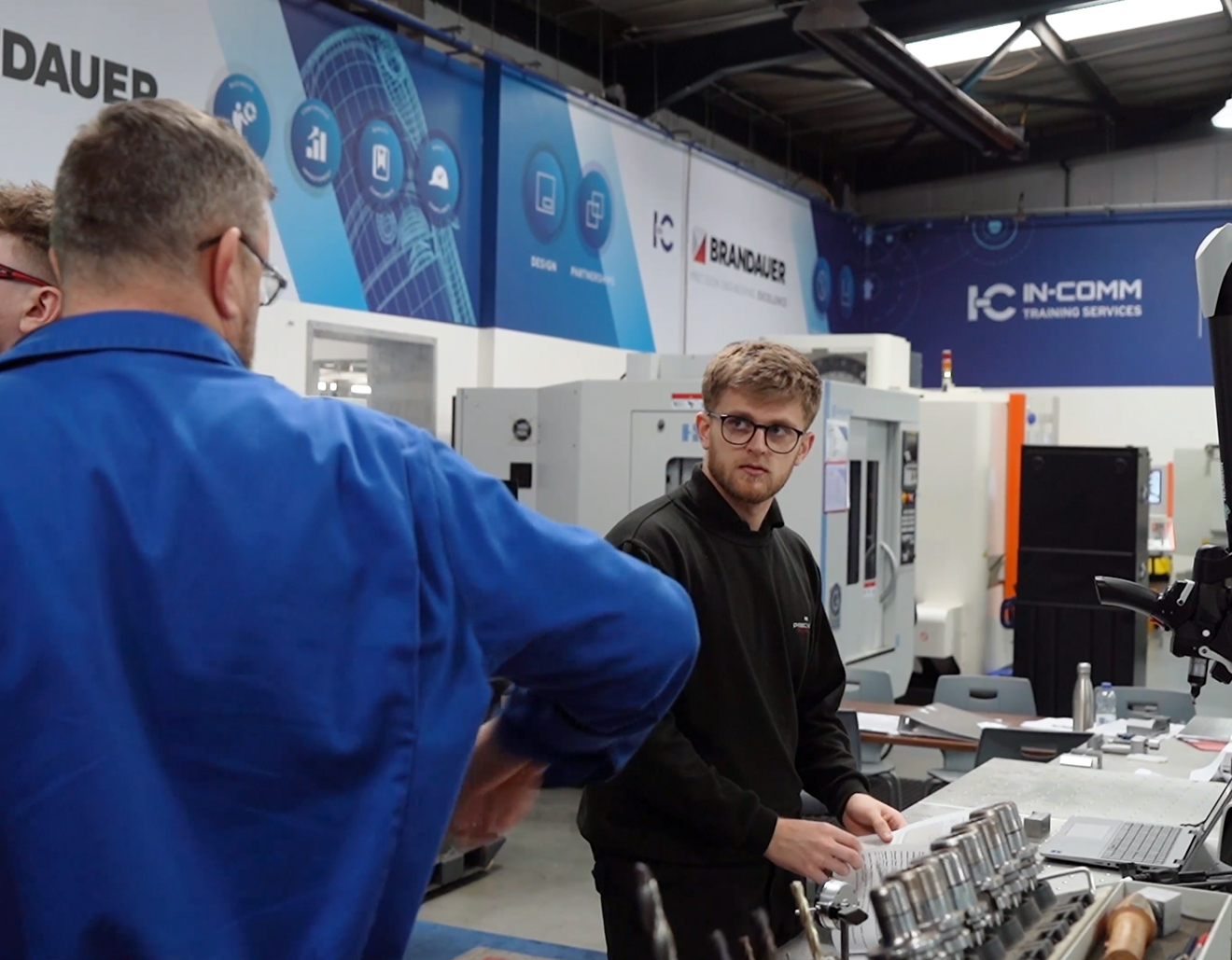
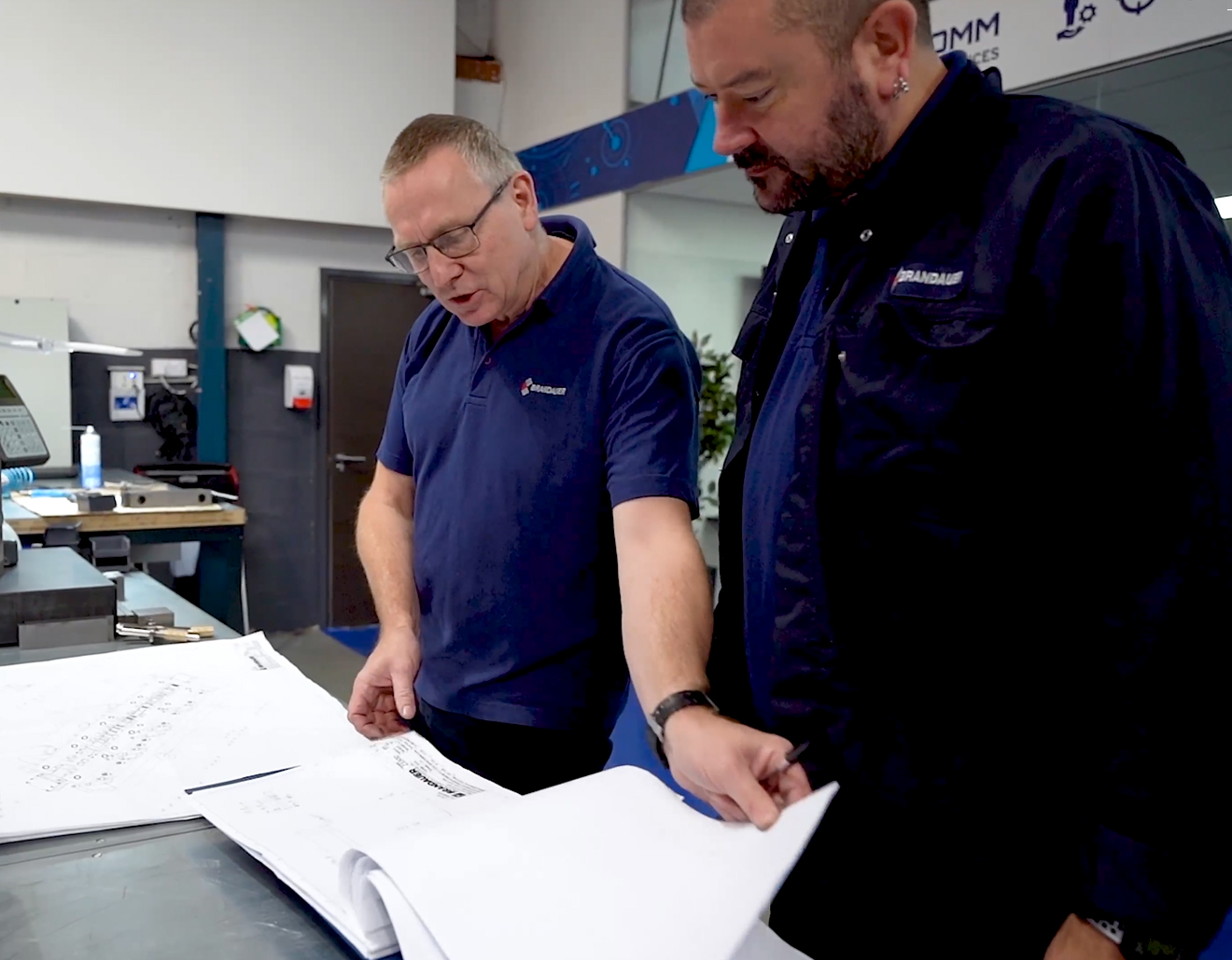
Partnering with In-Comm Training and The Precision Tooling Academy
As mentioned before, nearly half a million pounds has been invested in our apprenticeship programme. One of the biggest investments in securing the integral foundations of our programme was the long-term partnership with In-Comm Training.
As a result of an extended trial across four of the best training providers in the region, we found that In-Comm Training were very much the best fit for our business, its values, our apprentices and their upskilling needs.
Their offer aligned the apprentice’s character with Brandauer’s values – a vital foundation for any successful apprenticeship journey.
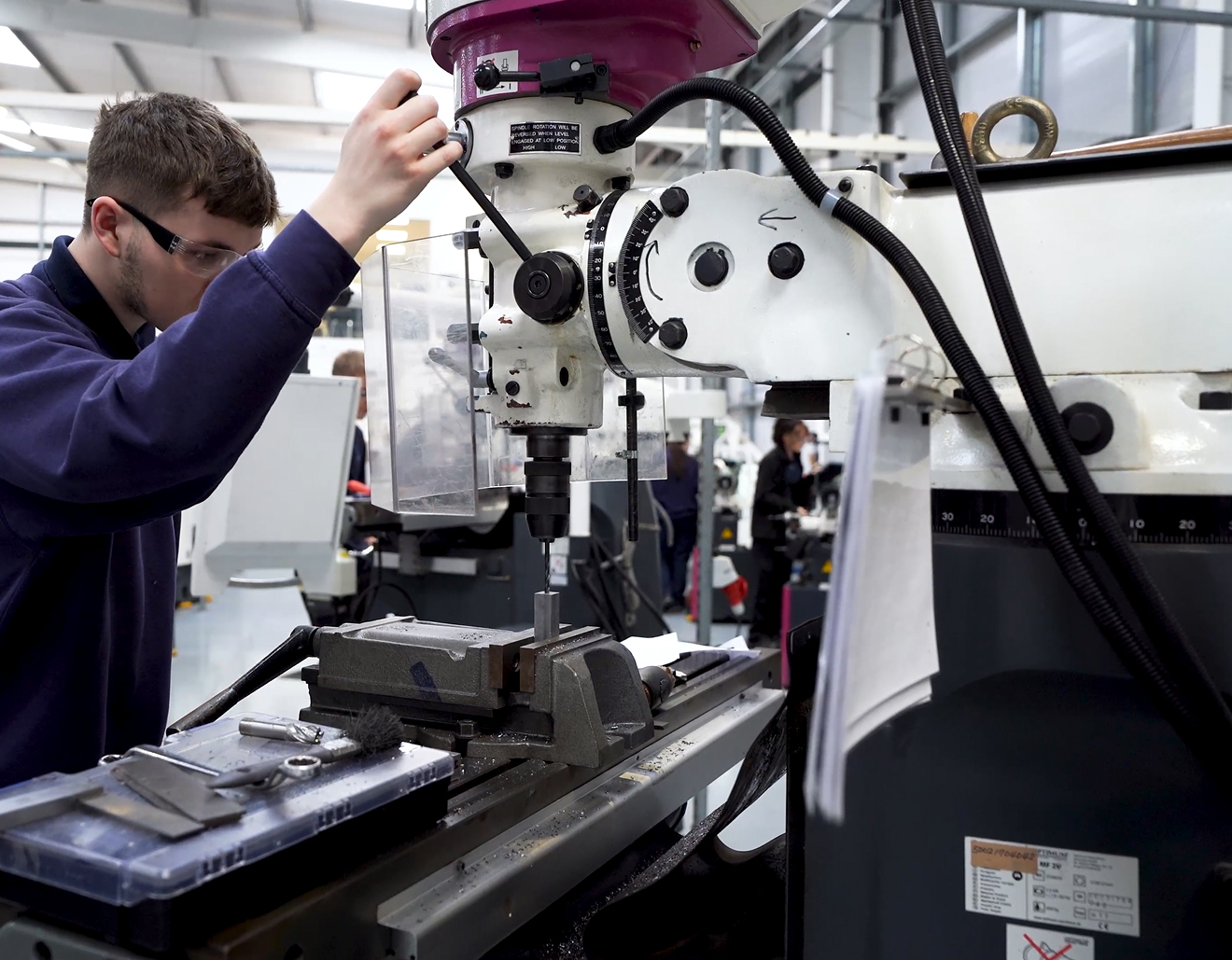
After a close alliance with In-Comm – which saw the successful development of over 20 apprentices into our business – we decided to deepen the partnership with a unique joint venture in the toolmaking arena.
In 2022, we opened a dedicated Precision Tooling Academy located in Aldridge. It was the first, and still is the only one of its kind in the UK.
Alongside the ageing workforce, an overall shortage of toolmakers was a real pain point for our industry. There was a risk of losing this trade altogether. So, the Precision Tooling Academy was the answer to this challenge.
It was a £1 million investment that combined our 160 years of precision engineering expertise with In-Comm’s commitment to all-inclusive training – the perfect recipe for developing industry-ready engineers.
Initially, as a result of sustained new demand for our ability to design and manufacture complex progression tooling, we opened a bespoke contract toolroom designed and laid out to specifically innovate the types of tooling only Brandauer can deliver. Once the toolroom opened, it was clear that it gave an unparalleled experience for all parties. It gave us at Brandauer a chance to expand our workload, focusing the Newtown facility on tool maintenance projects, with the second dedicated facility at In-Comm focusing solely on new tooling projects. This all allowed us to reshore work from Asia, whilst giving young people a chance to learn and develop their skills on live tool projects with the latest and greatest equipment offerings.
Once fully operational, we then jointly developed a 20-week full time commercial course, with a bespoke staged syllabus that turned qualified engineers into world class toolmakers.
Further from this, during our precision tooling innovation strategy (more on that later), the development of our new tooling standard has enabled In-Comm Training to develop their own bespoke modular syllabus, which ensures apprentices who attend In-Comm have access to the best possible facilities, giving them the foundations for a lifelong career in engineering.
The wider picture
That is just one part of our programme. A whole strategy has been developed to ensure the success of our apprentices. Living by the motto of “turn up, work hard, be nice” is the key to their success. Just three things each learner needs to live by to ensure their success at Brandauer. No unrealistic goals or micromanagement; just a dedicated individual who wants to get stuck into the work and learn along the way.
We will always be promoting apprenticeships, and it is a service we are going to continue to offer in the long term. We firmly believe that within SMEs, anyone can come in and make a big impact in a short space of time. Anyone who wants a career and wants to constantly innovate within our industry will reap huge rewards, not just monetary, but by creating a fulfilling career for themselves and seeing the change they made directly in front of them.
Work placements and bring your family member to Brandauer initiatives
Attracting talent at the earliest possible opportunity is a fundamental principle in creating a sustainable pipeline of future workforce for the sector.
Brandauer have always hosted work experience placements for undergraduates and Masters students. Offering the opportunity for hands-on real-life experience creates a better-rounded skillset, ensuring employability for those who get stuck in.
We also found a lack of awareness in schools for the sector and all it has to offer. This led us to develop an initiative that encouraged our staff to bring their children, grandchildren and friends’ children into work for short periods of work experience.
The initiative has been a great success, with over 25 young people aged 14 to 19 from diverse backgrounds completing placements at Brandauer, ranging from one week to three months.
So far, we have seen five of these proceed to a successful apprenticeship journey with the company, with two winning industry awards in recognition of their efforts.
Academic/industrial partnerships
To provide further reach in bringing younger people into our industry, we have explored and forged various academic partnerships. We partake in many events and best practice workshops outside of our apprentice scheme to help boost the introduction of young people across the industry. Some of those things are:
MAN Group Design & Make Challenge
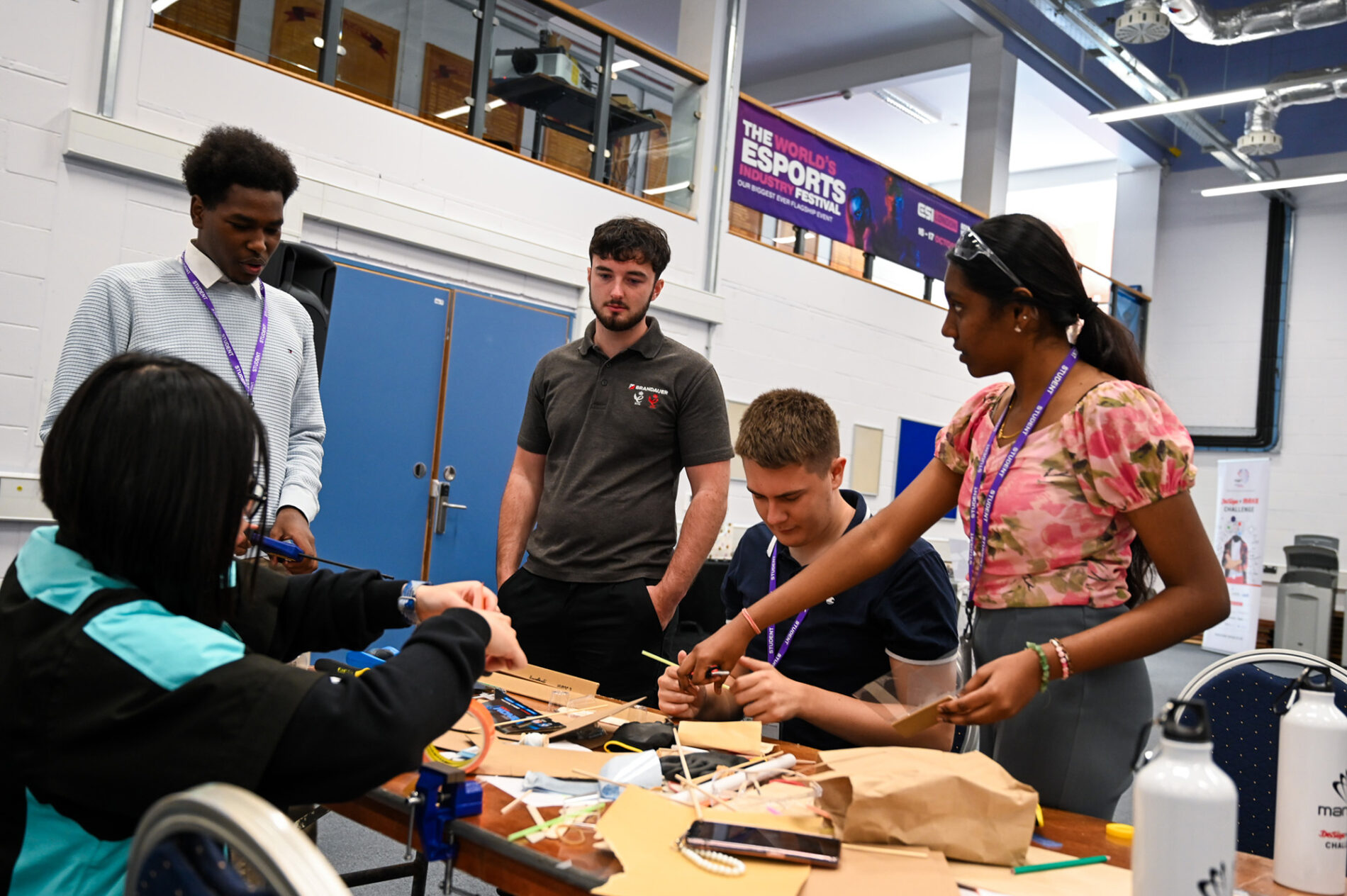
Brandauer is a founding member of the annual MAN Group Design & Make Challenge. We have attended every year, and it’s the perfect way for young people to get stuck in with engineering.
The day consists of Year 10, 11 and 12 students from various schools all coming together. One day, one brief, but endless, possible outcomes and solutions. Students are challenged with designing and making a mechanical device using just basic tools and materials in just one day.
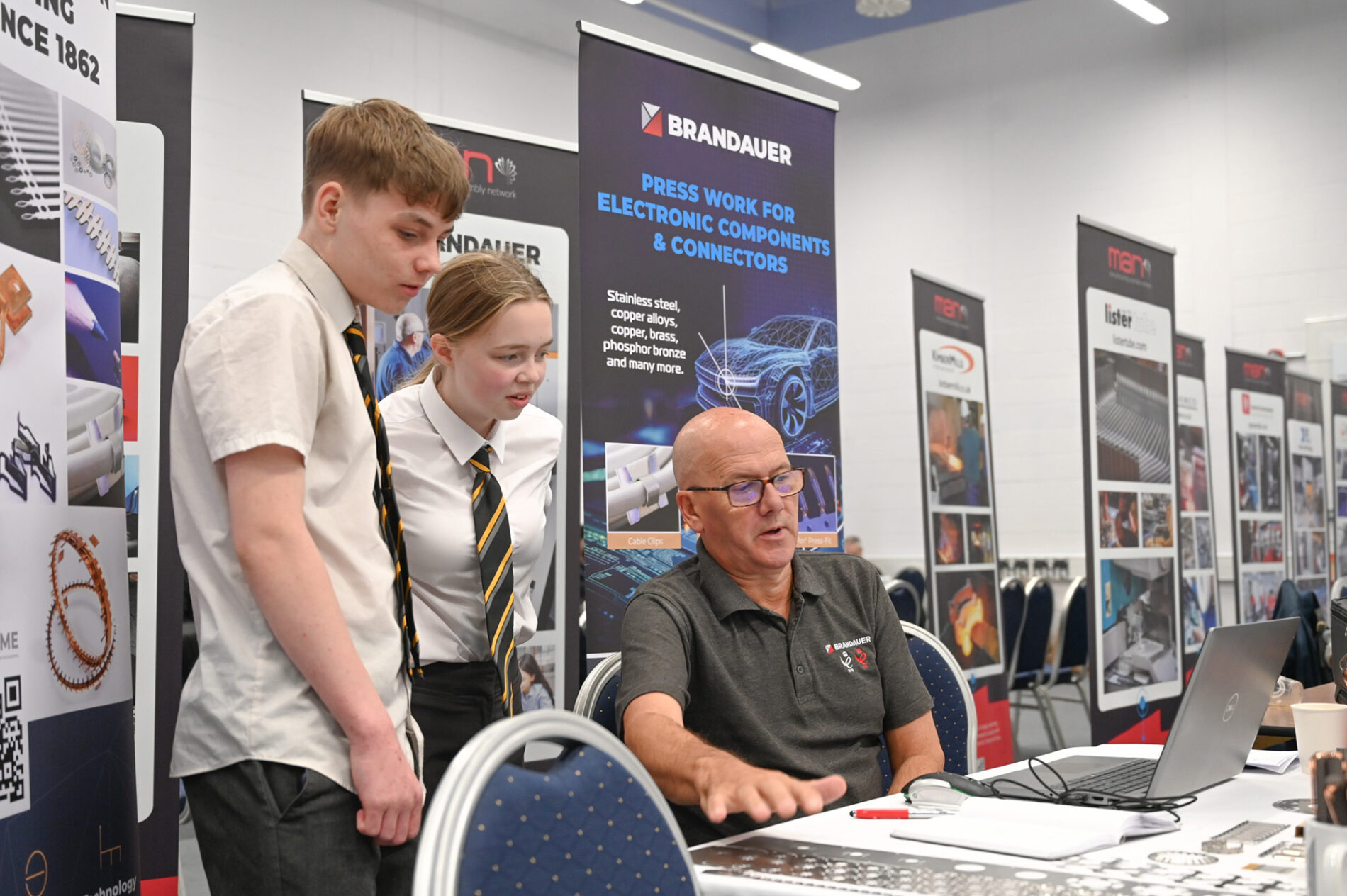
They’re offered support from apprentices and industry leaders from companies within the MAN Group (including Brandauer), and everyone is encouraged to be creative and develop their devices through trial and error.
Competing against their peers as well as their teachers, there are prizes for the best solutions and sponsorship for equipment for some the schools who put in the best teams.
Outside of the Design & Make Challenge, the MAN Group provides a non-competing collaborative environment for SMEs, which entails sharing best practice to improve everyone’s business, whilst also encouraging placements within each other’s businesses for their apprentices. This allows them to gain additional experience and expand their knowledge to a wider range of disciplines.
WMG
WMG, a division of Warwick University, has been a partner of the MAN Group for over 10 years. It has given us access to undergraduate and postgraduate talent.
This allows Brandauer to not only get first pick of the next generation of upcoming engineers, but also give students access like no other. They will receive direct access to real-world industry projects, helping them to develop a clear path to industry.
An example of this collaboration in action was a three-month overseas placement from Brazil, arranged through Engineering Without Borders and WMG. During their time with us, they identified EloPin® as a potential revenue stream for Brandauer. We implemented this idea into the business, securing the only EloPin® licence in the UK.
The outcome from all this? £1 million in revenue from precision-stamped parts across varying industries, including the automotive and aerospace sectors.
Aston University
Through collaboration with the university and students, Aston University has helped Brandauer in a different sense. It aided in developing one of Brandauer’s strategic pillars, specifically around environmental improvement on our journey to Net Zero.
Alongside Aston University, an audit of infrastructure was carried out, and an opportunity was identified through the implementation of a voltage optimisation system. This, in turn, reduced Brandauer’s carbon footprint and reduced our overall energy costs. These works were also completed with sign-posted access to government funding.
University of Birmingham – Machine selection
This partnership came about from a hosted MAN Group meeting; the university offered us all insights into the rail sector and incorporated a tour of their in-house precision laser cutting laboratory. We acquired funding to leverage University of Birmingham’s knowledge of precision laser cutting.
Off the back of this, Brandauer Innovations Manager Mark Parsons collaborated with University of Birmingham to define specific variables and potential machine suppliers for a machine selection process through various cutting trials, substrate material trials, parameter trials and tolerance and capability trials. The findings off the back of this collaborative project were that the correct machine was identified for Brandauer’s expanding Special Products Division (SPD).
Having successfully purchased the right machine with confidence, we are now able to offer precision metal parts with no tooling and setup costs. This enables customers to get their hands on prototype parts with minimal cost and lead times. This service offering would not be possible without the collaborative knowledge transfer from University of Birmingham.
Welcoming schools into the factory
Our doors are always open to schools that want to introduce their students to manufacturing and engineering. We have worked closely with multiple schools to introduce real-world engineering and manufacturing to their students.
An example of this work was welcoming the students from the Joseph Leckie Academy into the factory at Brandauer. It began with a welcome and presenting an overview of Brandauer, a full facility tour, and finally an interactive workshop where students pitched to our CEO Rowan Crozier MBE. The objective of the pitch was to suggest improvements that could be made to the Brandauer operation, with the winner coming back for a week’s work experience to implement their idea.
This opportunity came as a result of our commitment to sponsoring the TMG stem fund, a charitable initiative setup by the TMG to improve the regions social mobility by linking up school age learners to opportunities to experience real life manufacturing.
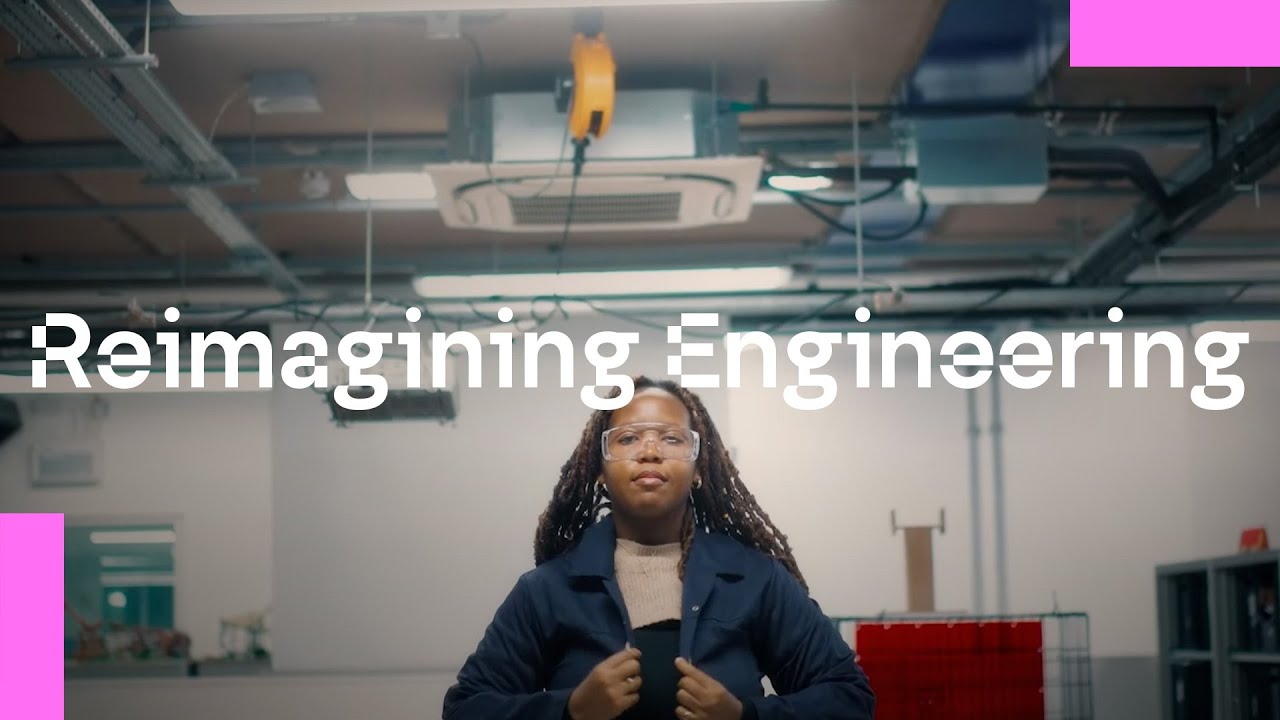
Reimagining engineering with Birmingham City University
Over the last six months, Brandauer has formed another valuable partnership, this time with Birmingham City University (BCU).
This partnership arose when looking into the curriculum and success rates of the current HE offerings from universities. To put it into perspective, 63% of engineering employers in the UK say graduates are unprepared for industry, and with 20% of the engineering workforce retiring by 2027, a change needed to be made to regular HE delivery.
Brandauer, BCU and other industry professionals are all collaborating to reimagine engineering, ensuring that 100% of graduate engineers are employable. Students benefit from working directly with organisations on real-world projects, enhancing their skills and knowledge to prepare for the workforce. On the other hand, organisations gain the advantage of shaping their talent pipeline, moulding students to better understand their business, with opportunities to headhunt emerging talent before they even reach the job market.
Overall, this partnership is going to reinvent HE delivery and undoubtedly increase the employability of graduating students, ensuring that when they enter the workforce, they are immediately going to make an impact on their organisation.
Alongside all this, we have decided to work so closely with BCU due to their commitment to their 2030 vision: their mission to create and share knowledge for a better and more inclusive society. They are committed to changing lives with inspiring, accessible and inclusive practice-based learning and teaching. They are driven to become a top university in the Midlands for boosting regional growth, innovation and skills. All this commitment and drive echoes Brandauer’s views and commitment, not only to the industry, but for the Midlands and its young talent.
Academic and technical collaboration in tooling innovations – case study
An internal example of how Brandauer leveraged academic and industry collaboration to aid in developing a new service was through our tooling innovation project.
This project is one of Brandauer’s biggest innovations. For years, Brandauer’s tooling department was only seen as a cost base for our businesses, and previous management teams were only keen to break even on tooling projects, provided the volume work was secured.
After talking to customers, we reached the conclusion that providing cost-effective tooling that can provide millions of parts to a tolerance of less than 10 microns wasn’t possible with the current offerings.
Off the back of this, the beginning of the process began, identifying the gaps and exploring possible solutions. To aid in this, we leveraged academic relationships with WMG Group and Birmingham City University to help prove our solution. The funded projects certainly moved our technology forward quicker, and the partnership aided in the validation of our offerings.
The solution was a tool that would be conceived in stages; a tool made up of multiple tools. This ensured that different elements could be maintained at different times to maximise performance. If a section of the tool were to break, that specific section could be removed, meaning fewer man-hours are required, and if available, a spare section of the tool could be replaced to eliminate the risk of ceased production due to the tool being out of action.
After this, we went through our current customers and engaged with someone for a potential “controlled order” to try out our new micron precision tooling for their next project.
Prox Dynamics AS was the company selected for the test; they embraced the trial and were happy to shoulder the potential technical risk from this trial. Thankfully, the results of this test exceeded expectations. There were savings of circa. £75,000 from the use of one tool and the client received electrical steel laminations in different sizes, something that usually takes separate tools to complete. On top of these savings, the products produced were higher quality, better performing and more importantly, produced 30% quicker than previously.
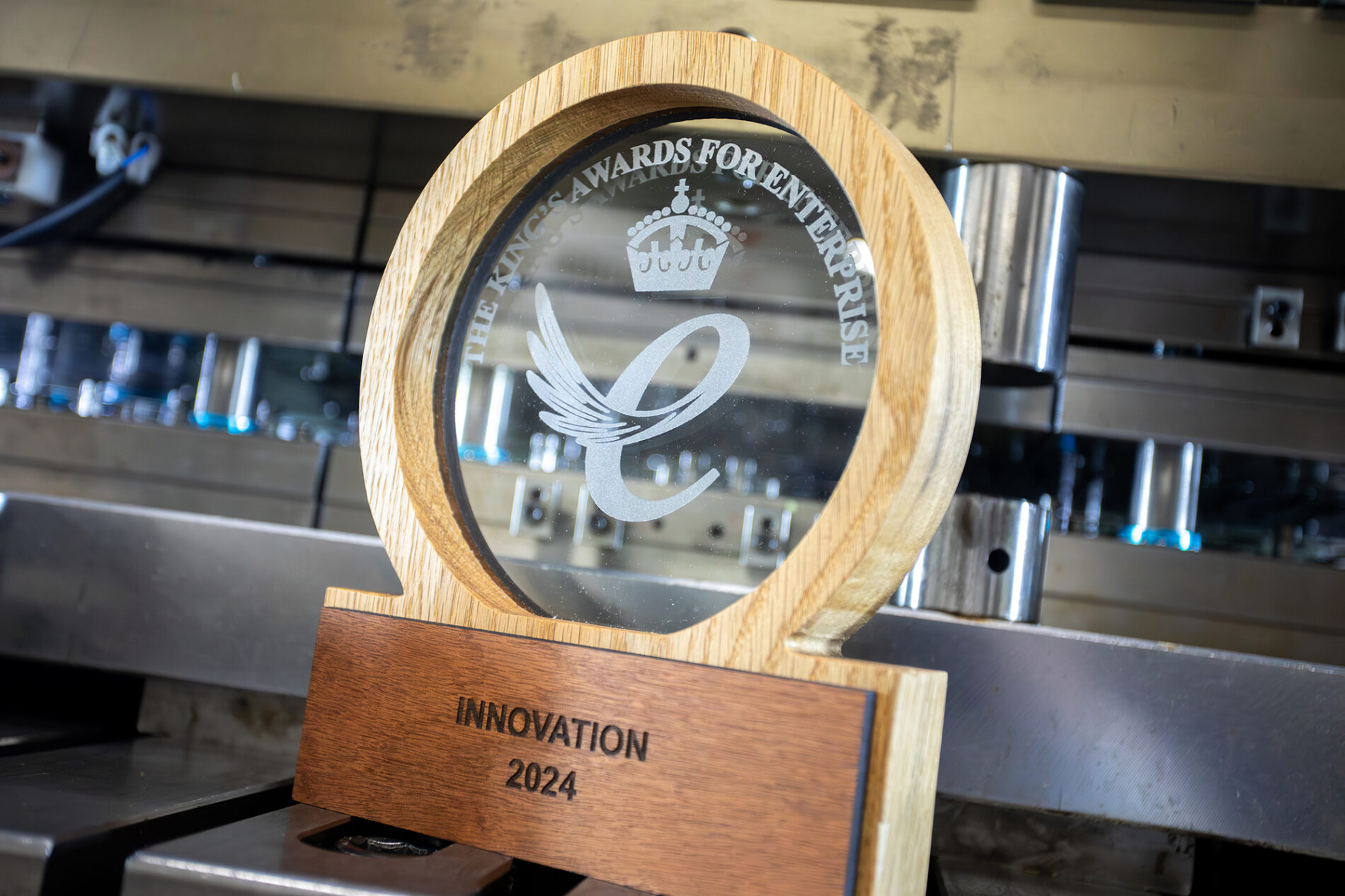
All this work led to us being presented the King’s Award for Innovation in 2024, a testimony to Brandauer’s constant innovation and collaboration for a better industry.
Collaboration and benefits for industry and location
Whilst yes, this project was to ultimately bring better products and services to our customers, there were so many benefits that everyone could take from this project. The main benefit was sharing this model with other tooling companies to help drive the reshoring of tooling projects into the UK economy. This allows the UK to take on international markets to help boost the UK’s offering in the international manufacturing sector. There were even more benefits from this, too…
Knowledge transfer
Five funded projects have given academia the opportunity to develop knowledge that is quickly proven on commercial projects in real-world manufacturing, thus boosting the relationship between industry and education.
Supply chain
The more work we win through this tooling solution, the more work trickles down the UK supply chain. As it stands, we currently use domestic suppliers for over 75% of our subcontracting requirements, including head treatment, plating and machining.
Knowledge Transfer Partnership
Another example of an academic and industry collaboration was a Knowledge Transfer Partnership (KTP) with Birmingham City University.
In 2020, we partnered with BCU to strengthen our technical capabilities. We had direct access to a full-time engineer that was employed by the university, this configuration enabled us to effectively leverage the academic knowledge of BU whilst having someone fully focused on the improvement of Brandauer.
The outcome of this partnership? Over £150,000 a year savings, and a redevelopment of our progression tool quotation system, which allowed us to provide more accurate pricing whilst delivering quicker turnaround times. Finally, with this KTP being 67% funded through Innovate UK, it provided us with a bank of high-value knowledge, without many costs associated.

Conclusion
What began as a way to tackle an ageing workforce has turned into a full-scale strategy to transform how young people enter and shape our industry.
At Brandauer, we’re deeply committed to strengthening the future of manufacturing and engineering – from investing in academic partnerships and sharing knowledge through supply chain collaboration, to welcoming students on placements and participating in the industry’s leading events.
There is always a way you can collaborate and innovate within our industry, whether that be academically or within the supply chain, and this is something Brandauer is incorporating into their strategy for many years to come.
Our CEO Rowan Crozier MBE has always said that our best opportunities come from collaboration and sharing mutually beneficial ideas for the better of our sector.
So, if you have a collaborative opportunity in which you think everyone could mutually benefit from, then please fill in the form below, and someone will be in touch.
To learn more about Brandauer and our talent development, please follow us on LinkedIn.