Whether you’re completely new to machining or looking to understand what it is Brandauer can do for your business, surrounding machining capabilities, this blog will have all the ins and outs of understanding this crucial part in precision machining!
What is machining?
Machining is fundamental in modern manufacturing and one of the most used methods in manufacturing today. This becomes even more true when tolerances become tighter, and precision is the number one priority.
But what is machining? How does it work? And what are the different methods of machining? But more importantly, how do you know if machining is right for you, and what role does it play for Brandauer?
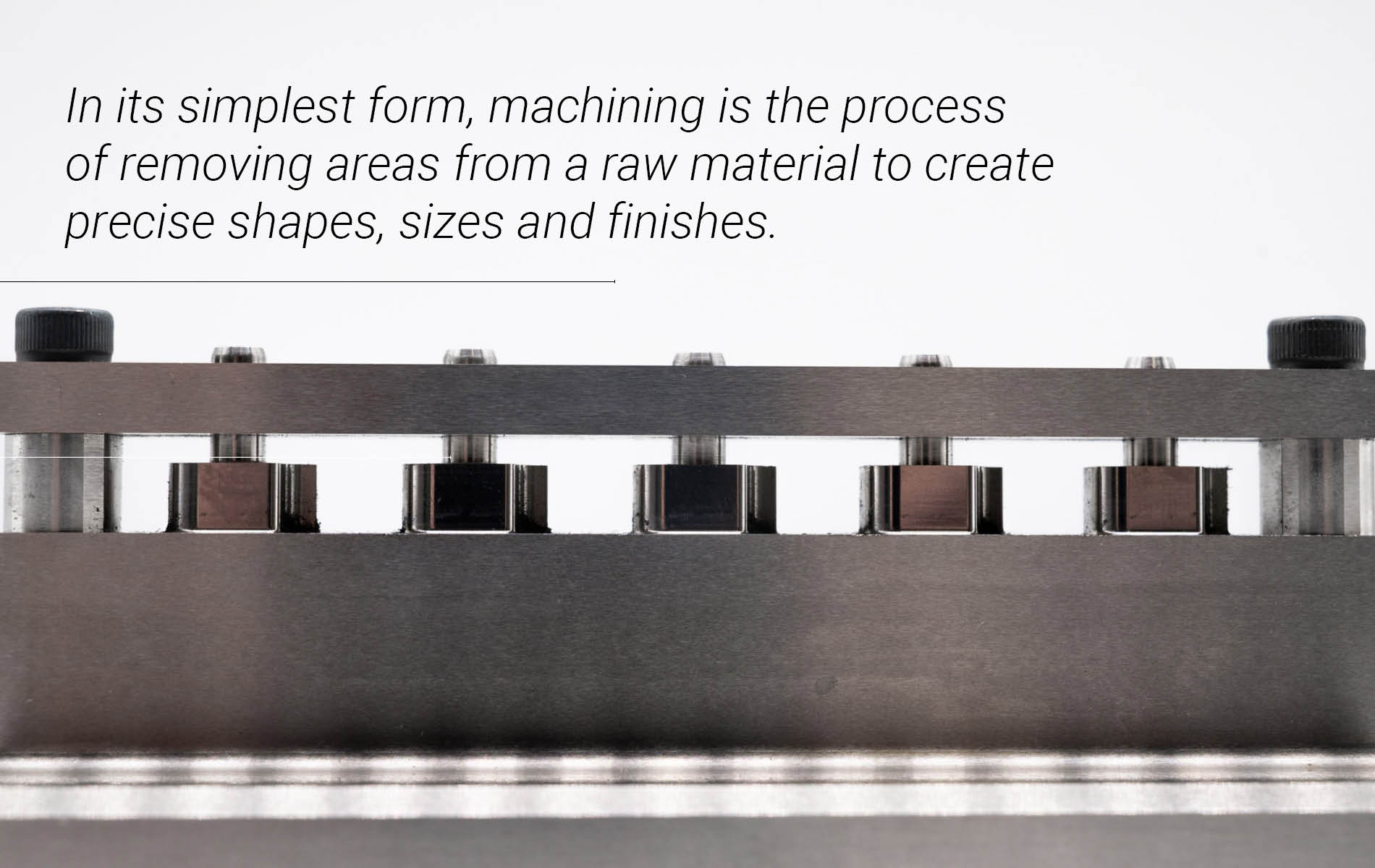
In its simplest form, machining is the process of removing areas from a raw material to create precise shapes, sizes and finishes. Using multiple different techniques like milling, turning, grinding and EDM.
These processes all have their own advantages and disadvantages when creating components, and it’s important to evaluate these methods as both a customer and manufacturer to determine which is the best method for your project.
Machining soft vs hard materials
When talking about machining, you will hear a lot about manipulating “soft” and “hard” materials. This is a key step in the machining process and can make a huge difference when manipulating the material to the desired specifications.
Soft machining
This is when components are machined using materials that are in their “soft” state. Materials in their soft state are materials in their pre-heat-treated state, and metals in this state are “less tough.”
Machining soft state materials usually comes at the beginning of processes, when quick, rougher cuts are required as tolerances aren’t as tight. It is standard practice to try to get as much of the machining process as possible in the materials’ soft state, as it is easier, quicker, and more cost-effective to the company and the customer due to the materials’ malleability. After soft machining is complete, the component can then go into a heat treatment process, during which the material then emerges in its “hard state”.
Hard machining
Once the heat treatment stage is completed, the machined material is now in its “hardened state”. Materials in this state are a lot more wear-resistant but are also more brittle. Whilst machining in their soft state is easy to cut and manipulate, it becomes a lot harder to cut material in its hardened state.
It is, however, very important in a lot of processes to machine components out of hardened material. This is because during the heat treatment process, manipulations occur to the raw material, which could leave micron-level differences in the components’ shape and geometry, and when working to Brandauer tolerances, this can prove detrimental to the final use case.
To bring this into Brandauer’s world: when manufacturing tools in-house, Brandauer uses both soft and hard machining throughout the process. For tooling plates and the larger pieces, the tolerances for this are less tight, and the material is easier to manipulate. We then send the material off to be heat-treated into its “hardened” state.
Brandauer then machines all the small, high-accuracy components through WEDM methods with the material in its hardened state. When materials go through the heat treatment process, the material “moves” due to internal stresses during the heating and cooling processes, and whilst these shifts can only be between 10-30 microns, this makes all the difference. Brandauer consistently works to tolerances of 10-20 microns, so even the smallest imperfections in the cutting elements of the tool can have a huge impact on the final component that comes out of the press machine.
What are the different types of machining?
Milling
Milling is one of the most common forms of machining in manufacturing. Milling is the process where a rotating cutting tool is spun at high speed whilst the workpiece (material) remains fixed or moving along the axis. The cutting element goes to the material to make the cuts.
Modern milling machines can often operate across multiple axes (most commonly X, Y and Z), allowing for a huge range of complex geometries. At the highest level, some milling machines have more advanced, 5-axis capabilities to approach material from multiple angles in a single setup. This allows for a quicker, more accurate and better finished component.
Advantages
Milling is best for removing large amounts of material quickly and effectively. Materials in their “soft state” are used to get a shape and geometry cut. Alongside this, milling is incredibly efficient and versatile and can be used to make a huge range of different components for a huge range of applications, which spans across multiple sectors.
Limitations
When working to ultra-fine tolerances, milling may not be the best solution. Tolerances can’t go down to the micron levels that other methods of manufacturing may be able to achieve.
Alongside this, milling is known to produce slightly worse surface finishing results. Milled surfaces tend to have more visible tool marks on the finished surface; these small imperfections could lead to improper functionality in the final component.
Turning
The process of turning is commonly used when forming round/cylindrical components. The difference between milling and turning is that turning spins the material at high speeds, and a cutting tool is then brought to that spinning material. This can be done to make diameters, profiles, grooves and any other required features on the finished part.
CNC turning is widely used throughout manufacturing for its highly efficient and repeatable processes, but turning is particularly useful when creating round geometries or smooth cylindrical surfaces.
Advantages
Turning is very good at producing round/cylindrical components and is the go-to manufacturing method when these parts are required. Furthermore, turning is also ideal for the manufacturing of shafts, pins, rollers and threaded components and can suit both prototyping and high-volume production with highly accurate repeatability.
Limitations
Whilst good for round components, turning struggles to compete with other processes when machining other geometries, and other machining operations may need to be completed to get the desired geometry.
Grinding
Grinding is a highly accurate, specialised machining process used to remove very small amounts of material from the top layers by using an abrasive grinding wheel. Grinding is commonly a secondary process to machining and is used when tighter tolerances and high surface finishes are required.
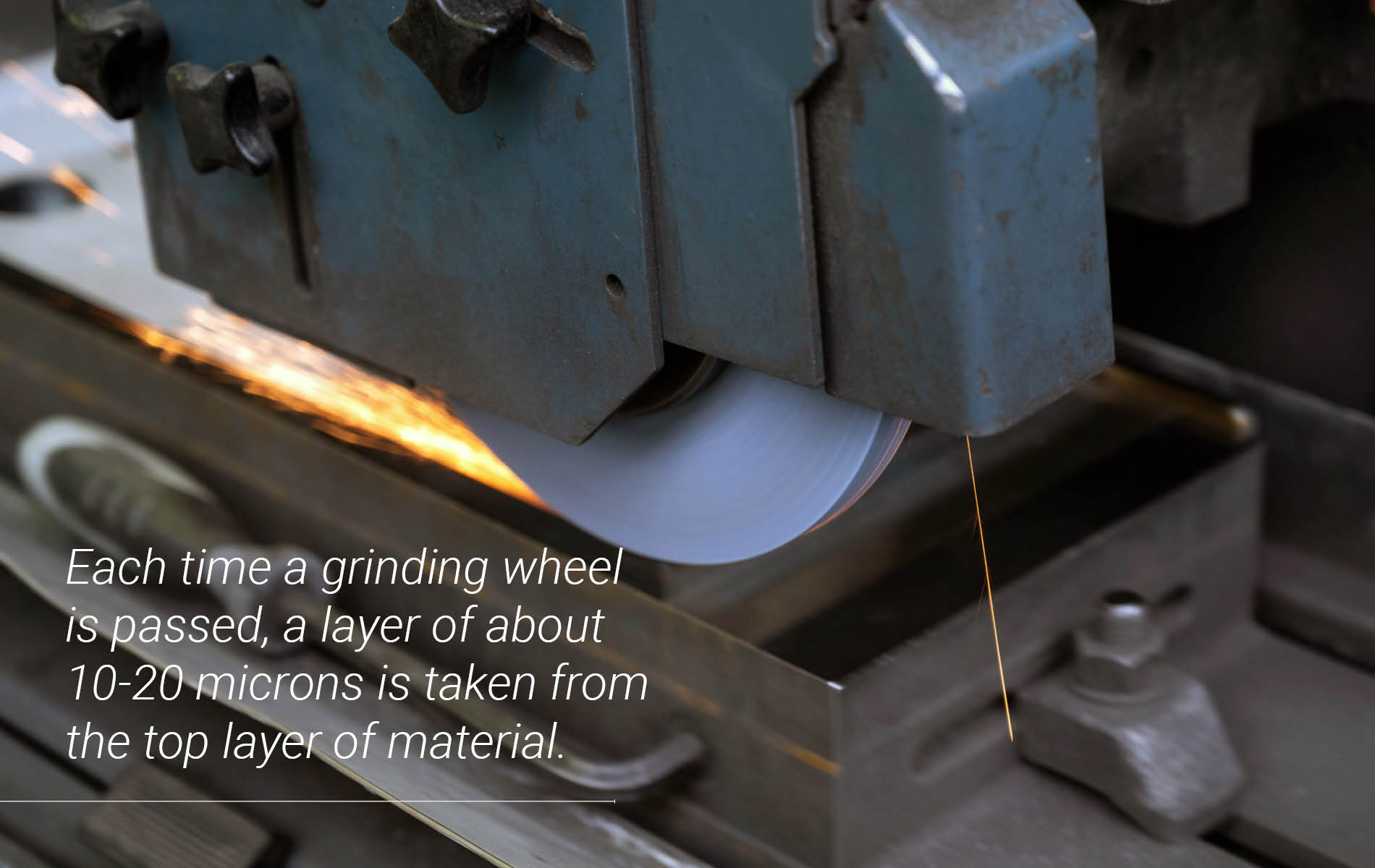
Grinding is used after heat treatment, when the material is in its hardened state, and is done to eliminate the small changes in dimensions caused by the heat-treating process. Each time a grinding wheel is passed, a layer of about 10-20 microns is taken from the top layer of material. Invisible to you and me, but hugely important for the manufacturing process of many differing components.
We use grinding processes for all our tools; it’s a key stage in the toolmaking process. It enables a perfect finish on key tooling elements such as punches, dies, tooling plates, and wear surfaces. It does this by taking away larger peaks and troughs compared to generic milled services.
Advantages
Whilst WEDM is becoming increasingly advanced, WEDM still creates large heat-affected zones (a very thin layer of material that has been slightly weakened caused by the EDM process) compared to grinding methods. This actually allows for a better-quality finish and sometimes even stronger edges/improved material integrity.
Limitations
This process is very specialised and not useful for general machining. Grinding isn’t a feasible method to remove larger amounts of material, and you would need multiple operations to be able to achieve the desired finished component.
WEDM
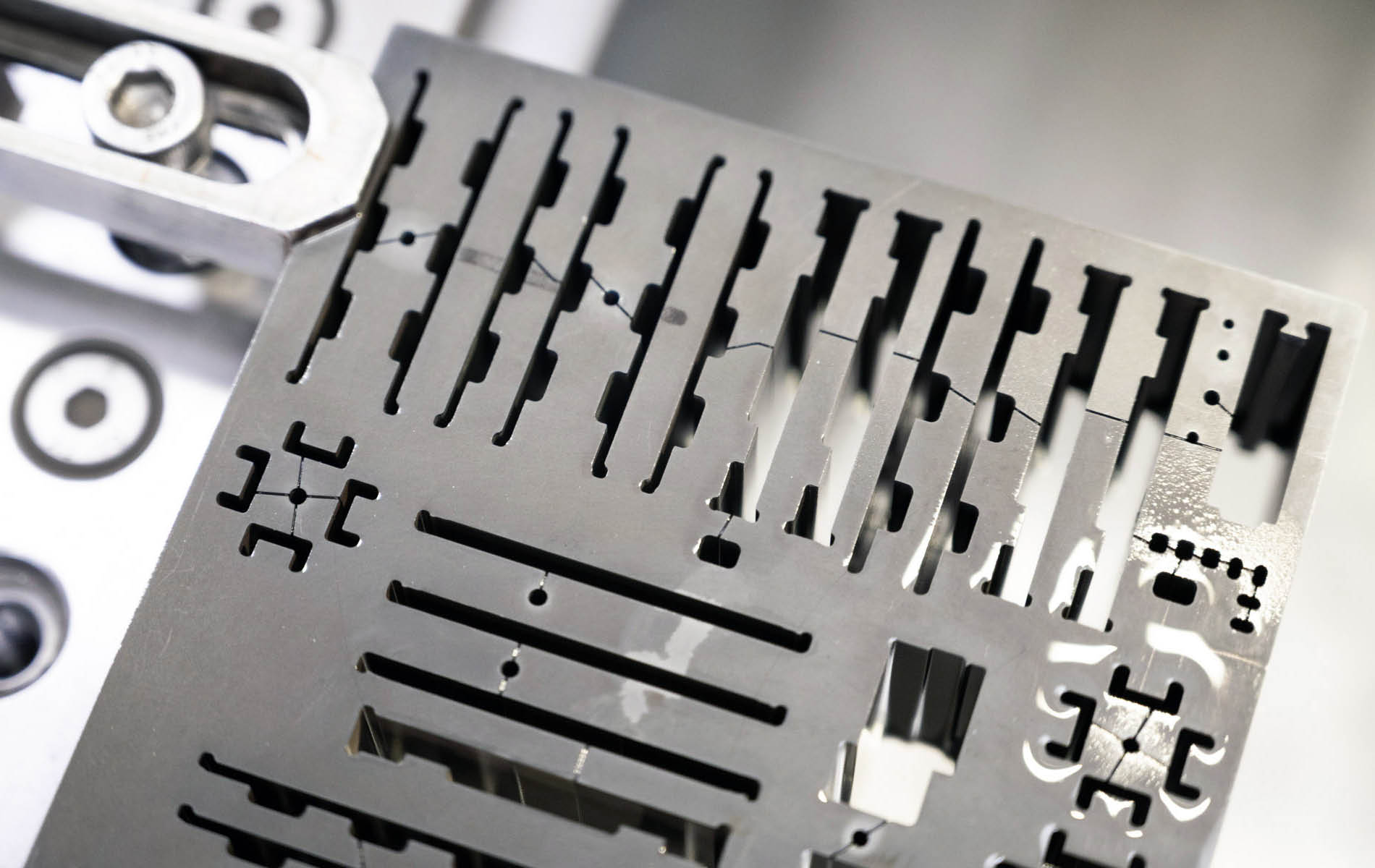
Wire EDM or Wire Electrical Discharge Machining (WEDM) is the best in class when it comes to precision and accuracy. It is so accurate that it removes material through electrical discharge as opposed to using physical cutting tools. At no stage does the machine come into direct contact with the material; if it did, then this would create a short circuit and stop the process completely.
The process works by feeding a thin electrically charged wire through a pre-machined hole (which is completed at the soft machining stage) while sparks jump between the wire and the material. Each of those tiny electrical discharges erodes tiny amounts of the material, which have been pre-programmed and completed to a very high level of precision.
To put into perspective the precision of WEDM, modern systems carefully control wire tension, spark gap, cutting parameters and taper compensation to maintain consistent accuracy throughout the machining process. The machine can even compensate for differences in wire wear as it goes through the piece of metal! This means the wire is not perfectly straight; there is a slight (micron-level) tilt that is programmed to ensure the final component has a perfectly straight edge.
Advantages
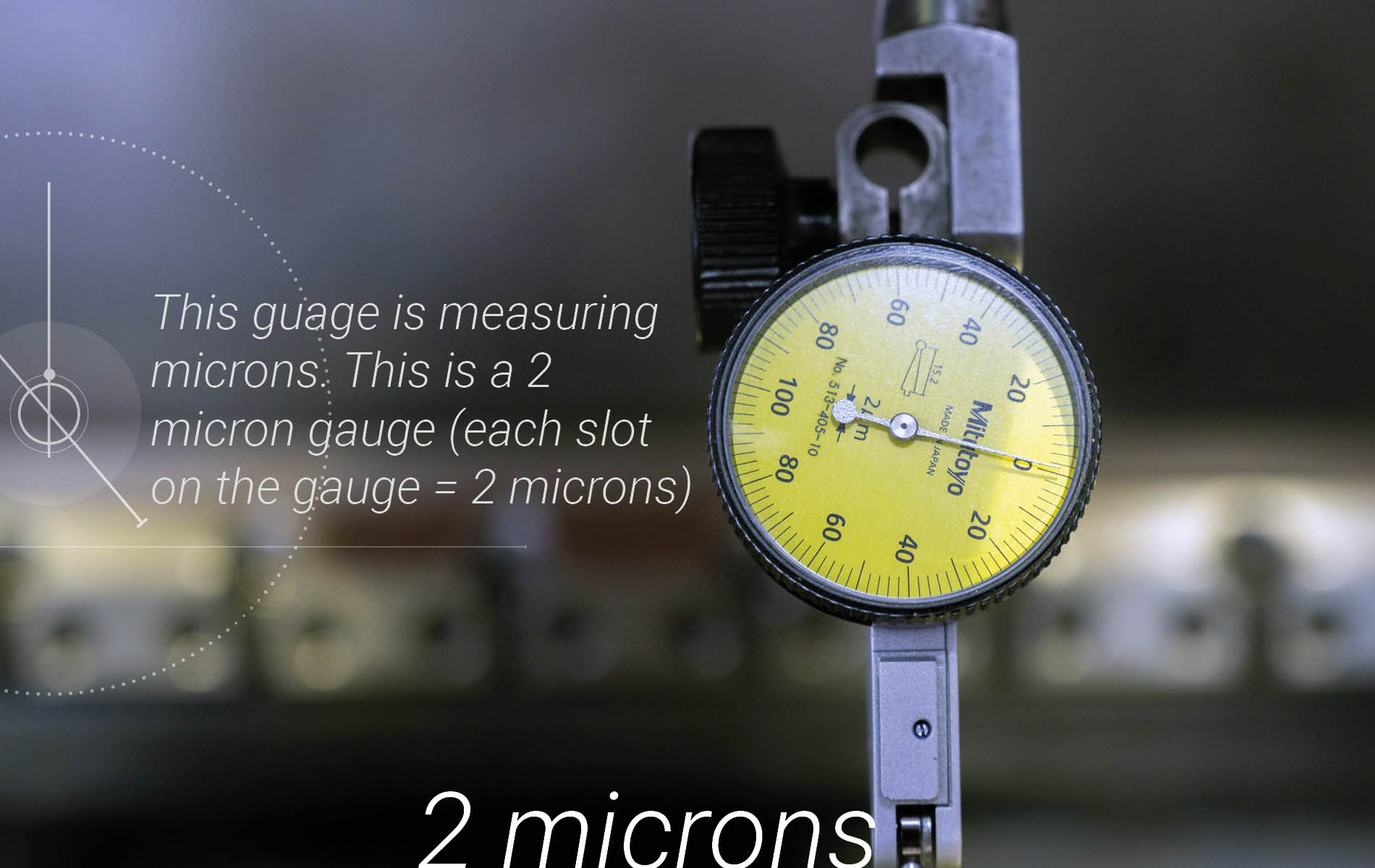
WEDM is the top of the range when it comes to precision machining. With machines working to tolerances of one micron, WEDM is the only right solution when accuracy is the top priority. It is also one of the most effective ways to machine components out of hardened materials. Finally, with it being electrical discharge cutting, there is no wear on any potential cutting elements on machines!
Limitations
Because of its high accuracy, WEDM is typically more expensive than other machining methods. So, you need to evaluate carefully with your supplier what your tolerance requirements are to see if it’s worth it. Alongside this, it is slower than conventional machining and also leaves a heat-affected zone on the material, which could, in some cases, cause structural weakening to the component without proper mitigation and planning for this.
Plus, WEDM can not create curved surfaces; it can only machine in straight or diagonal lines. This means some complex shapes are unable to be manufactured through WEDM.
How does machining work within Brandauer?
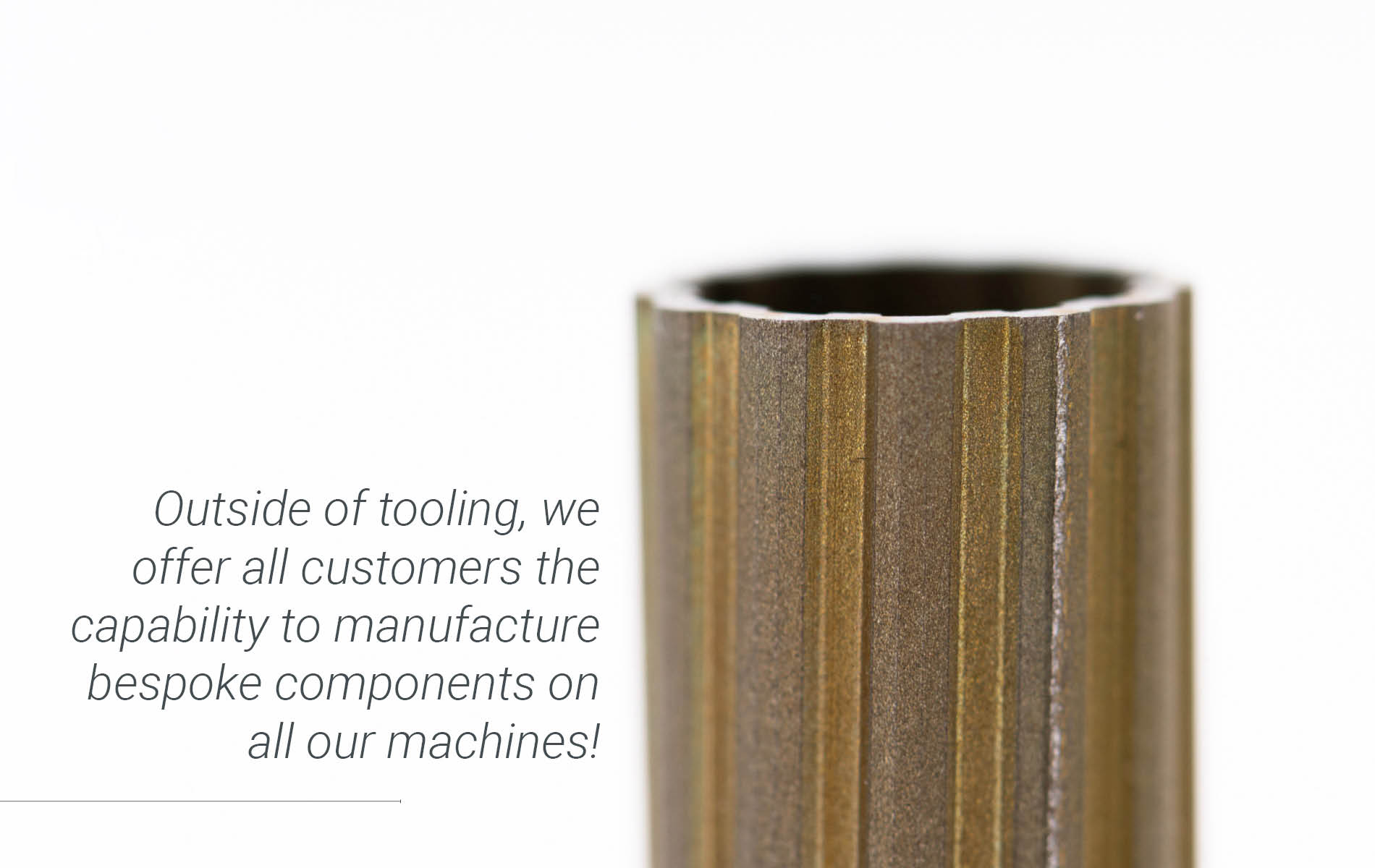
For the Brandauer team, machining is fundamental to the business! All of our precision tooling is manufactured using various forms of precision machining. Outside of tooling, we offer all customers the capability to manufacture bespoke components on all our machines! But what does machining actually look like for Brandauer?
Step 1 – Soft machining
All tools begin with the material in their soft state, as mentioned before, this is so we can take larger amounts of material off quickly. “Rough cuts” are made to the material to obtain the core geometry specified for the tool. In this stage, we are machining tool plates, cavities and pockets, mounting features & the start holes ready for WEDM.
One key element before taking heat treatment during the soft machining stage is ensuring the material is not cut to its final sizing. Normally, around 0.1mm (100 microns) extra is left on the whole component. This is to allow for material property changes during the heating and cooling process, which would be taken off at Step 3 (grinding).
Step 2 – Heat treatment
The component is now ready to be treated and taken into its “hardened state”. This process works by carefully heating the material to a specific temperature, and then cooling it under controlled conditions to alter its internal microstructure. Different materials and tooling applications require different heat treatment methods, but the goal is always the same: to make the material stronger and longer lasting for its final application!
When a component is heat-treated, it’s the microstructure that causes the change in material strength. The steel is heated to a high temperature where carbon atoms become more mobile and dissolve evenly into the structure. When it is then rapidly cooled, they do not have enough time to return to their original arrangement. Instead, they become trapped in a highly strained and tightly packed structure.
Once this is completed, the components can move on to secondary operations and hard machining.
Step 3 – Hard machining (grinding)
For larger components within a tool, grinding is a really important step to ensuring micron accuracy throughout the component.
As mentioned in Step 1, a 0.1mm layer has been left on the tool to allow for changes in geometry during heat treatment. The grinding stage is where this layer gets taken off, and the larger tool components are taken down to their final geometries. This gives the tool a perfect surface finish and helps protect the tool from excessive wear. When stamping millions of components every month, the tool is exposed to constant friction and stress from the material and press machine, so ensuring structural integrity is of huge importance at the manufacturing stage. Even the smallest amount of surface imperfections can cause the final metal components to have poor dimensional accuracy, burrs/defects, reduced lifespan, and ultimately increased downtime when something does go wrong with the tool.
By implementing grinding and other finishing processes, we remove these issues at the beginning of the process.
Step 4 – Hard machining (WEDM)
This step is for the smaller components on the tool; they need to be machined out of material in its hardened state. If we machined these components in a soft state, those small changes in geometries during the heat treatment processes can be the difference between a functional and non-functional tool.
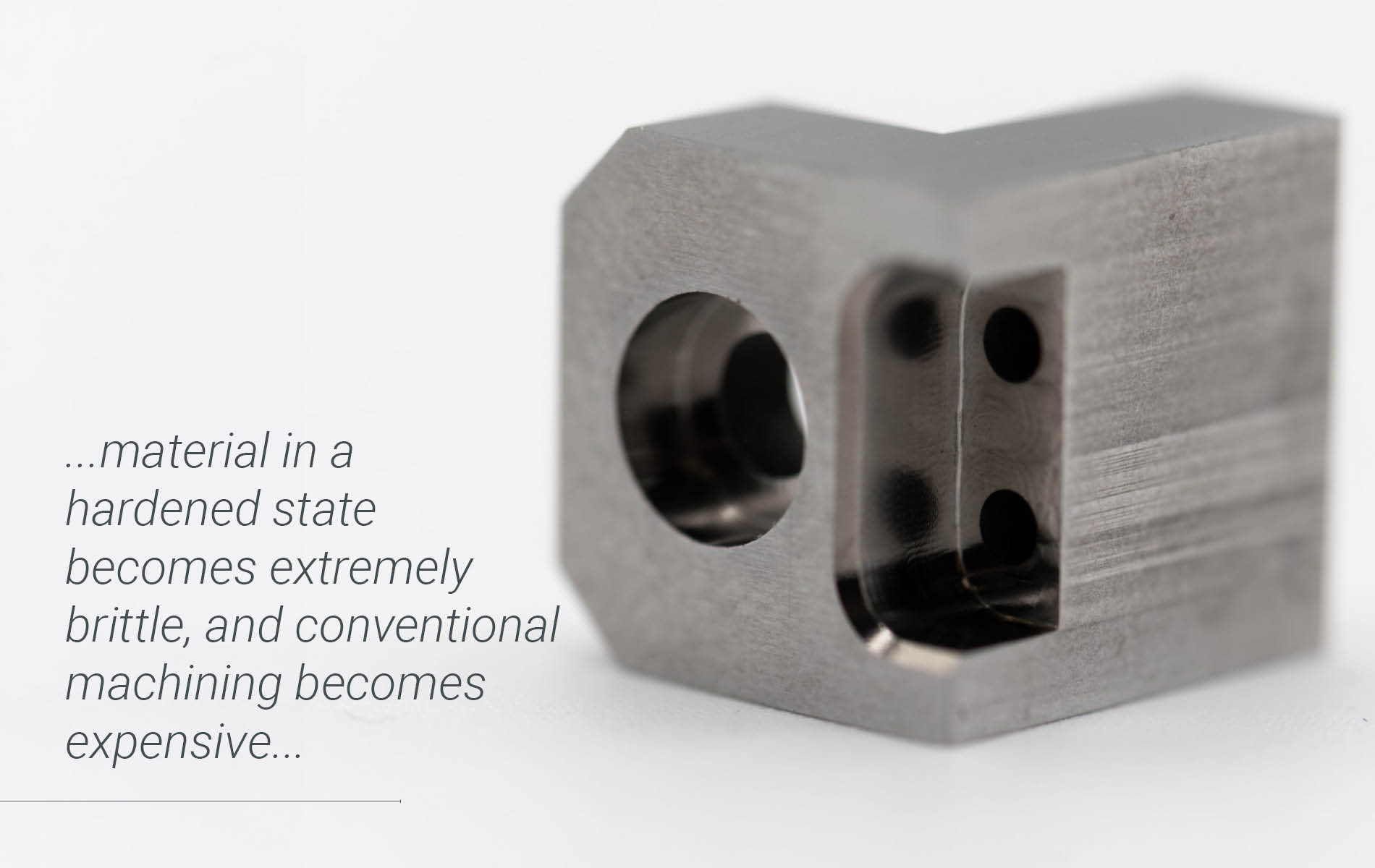
The other issue that arises is that material in a hardened state becomes extremely brittle, and conventional machining becomes either impossible or very expensive and time-consuming to complete.
WEDM also allows us to manufacture geometries that would be extremely difficult or even impossible to achieve using conventional machining alone. Complex corners, narrow slots, intricate profiles, and carbide tooling can all be produced with exceptional repeatability and accuracy.
Step 5 – Final inspection, assembly and testing
Now all the components are machined and ready, they are inspected in-house by our team, and any potential defects are rectified immediately. They are then taken into our toolroom, which is bespoke for all new tools that come into Brandauer, where a team of experienced toolmakers take these components and builds a finished tool from them!
The tool is then transferred to the shop floor, where it is rigorously tested to ensure the tool is prepared for a long-life of high-volume precision machining!
What’s the deal with carbide?
For projects that require the best when it comes to wear resistance, carbide is called upon as the material of choice.
Carbide most commonly refers to tungsten carbide, which is made by combining very hard tungsten carbide particles with a metallic binder (specifically cobalt) to create a dense, durable composite material.
To really simplify it… imagine you fill a jar with sand and then pour water into it. The sand becomes more compact and “harder”; this is effectively the same process for creating carbide. Tungsten carbide powder is mixed with cobalt powder and then put into a machine, which compresses it into a shape under very high pressure before being heated to a very high temperature.
During this heat-treating process, the cobalt partially melts, which causes it to bond to the tungsten carbide particles. The material then shrinks and densifies, which automatically reduces the air gaps, thus creating a very dense and heavy material which has exceptional wear resistance.
For high-volume precision manufacturing, carbide is commonly used because of its wear resistance, and to put some perspective on this:
Sintered steel tooling can generally achieve around 800,000 components before it needs regrinding
With changes and process improvements, you can get up to around 2,000,000 components before regrinding needs to occur.
But with carbide tooling, this lifespan can increase to around 8,000,000 components between regrinds.
Carbide is around four times more wear-resistant than the better sintered steel offerings, which is why, despite higher manufacturing costs, it is the choice of material when it comes to high-volume precision manufacturing.
Why isn’t this material used more often?
Although carbide is incredibly wear-resistant, it does come with drawbacks. It is a lot more expensive than sintered steel to begin with; this should be taken into account when investing in a tool, and ROI checks should be taken to determine which material is best for you (don’t worry, this is something Brandauer can work with you on!)
On top of this, you don’t see many components made from carbide, and it can only be machined using WEDM and diamond grinding. This is due to the structure of the material, which is a lot more prone to chipping and is incredibly brittle, so creating components is a lot harder and usually not cost-effective for their final use case.
Machining for motor manufacturing
Outside of tooling, Brandauer also manufactures components using WEDM. This is done when the tolerance specifications are tighter than conventional machining can achieve or when a full tooling approach isn’t commercially viable.
One main component that takes advantage of WEDM is electrical steel laminations. When manufacturing laminations at lower volumes, investing in a tool and stamping approach isn’t cost-effective for manufacturing, so other methods are turned to.
Conventional lamination manufacturing is done through manufacturing the individual lamination first (the blank), before stacking it into a bonding jig, which then gets bonded together to form the final lamination stack.
To manufacture laminations through WEDM, you go through the same process but in reverse. You first need to create the material, as the WEDM process would not be possible using sheet metal. Laminations are made of up to hundreds of thin sheets of electrical steel, bonded together to make a final stack.
For WEDM, the sheet metal is taken and stacked together to the customers specified stack height and bonded together to create a “block” of material. This is then placed into the WEDM machine where a pre-programmed route is applied and in which the machine can then begin cutting the laminations. Once the process is complete, the final parts are already bonded together and in their final form.
There are two main advantages when cutting lamination stacks through WEDM; the main being precision. WEDM is the best way to manufacture lamination stacks for precision (comparable to metal stamping) so for low-volumes or prototyping, WEDM allows for fully finished components without the need for tooling whilst also not compromising on precision. The second main advantage being it’s the only method of manufacturing laminations that doesn’t require investing in a boning fixture. Both laser cutting and stamping require investment in an off-line bonding solution as you are blanking the individual laminations out first through WEDM. As it’s just bonding standard sized materials, there is no need for a bonding fixture.
WEDM is normally the most expensive option when it comes to manufacturing lamination stacks due to the intricate technologies involved, so ensuring you choose the right manufacturing methods for your project specifications is very important.
You can read more about WEDM and Brandauer’s differing methods of manufacturing by clicking the buttons below.
General machined components
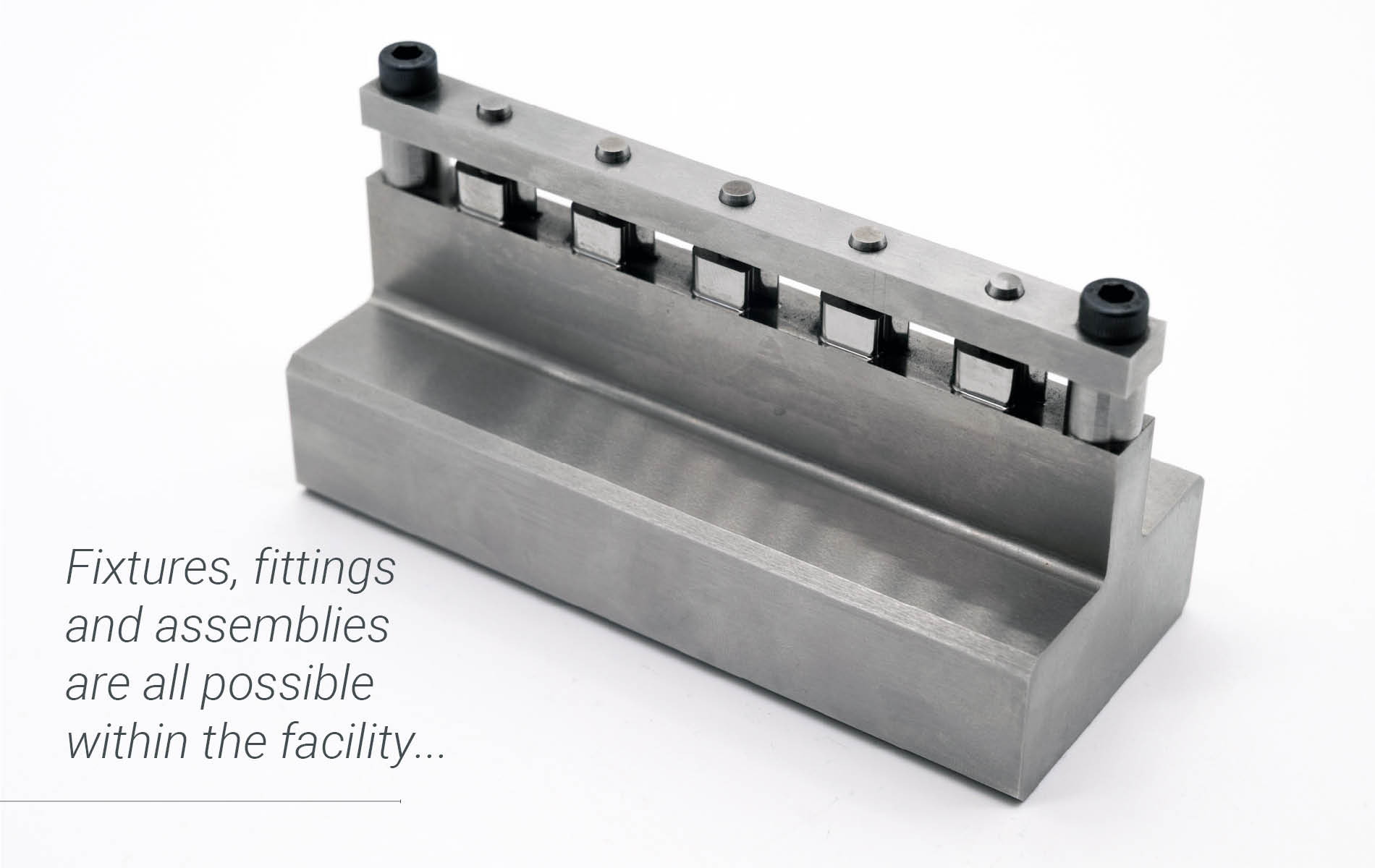
Outside of WEDM, general machining for various components is becoming more and more common for us at Brandauer. Fixtures, fittings and assemblies are all possible within the facility and we all take pride in manufacturing precision components for all applications.
We take the same approach to machining as we do metal stamping, ensuring it’s done right and to the specified tolerance, whether it’s for aerospace, medical, automotive or even defence. We work with customers to ensure their components are designed and manufactured to the best of their ability.
To keep up with the latest news from Brandauer, please follow us on LinkedIn.